Type · septimius-severus-jupiter-denarius
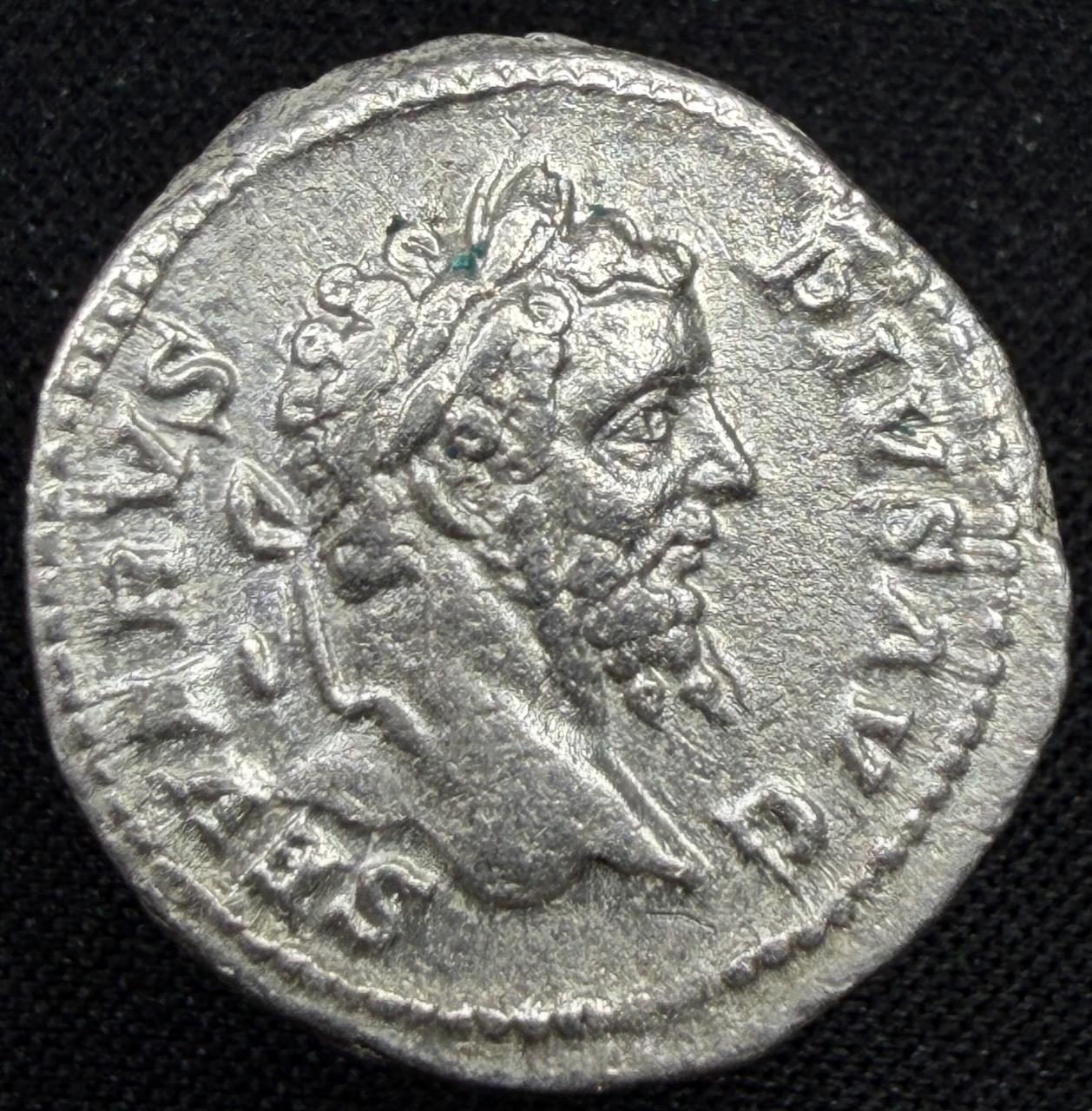
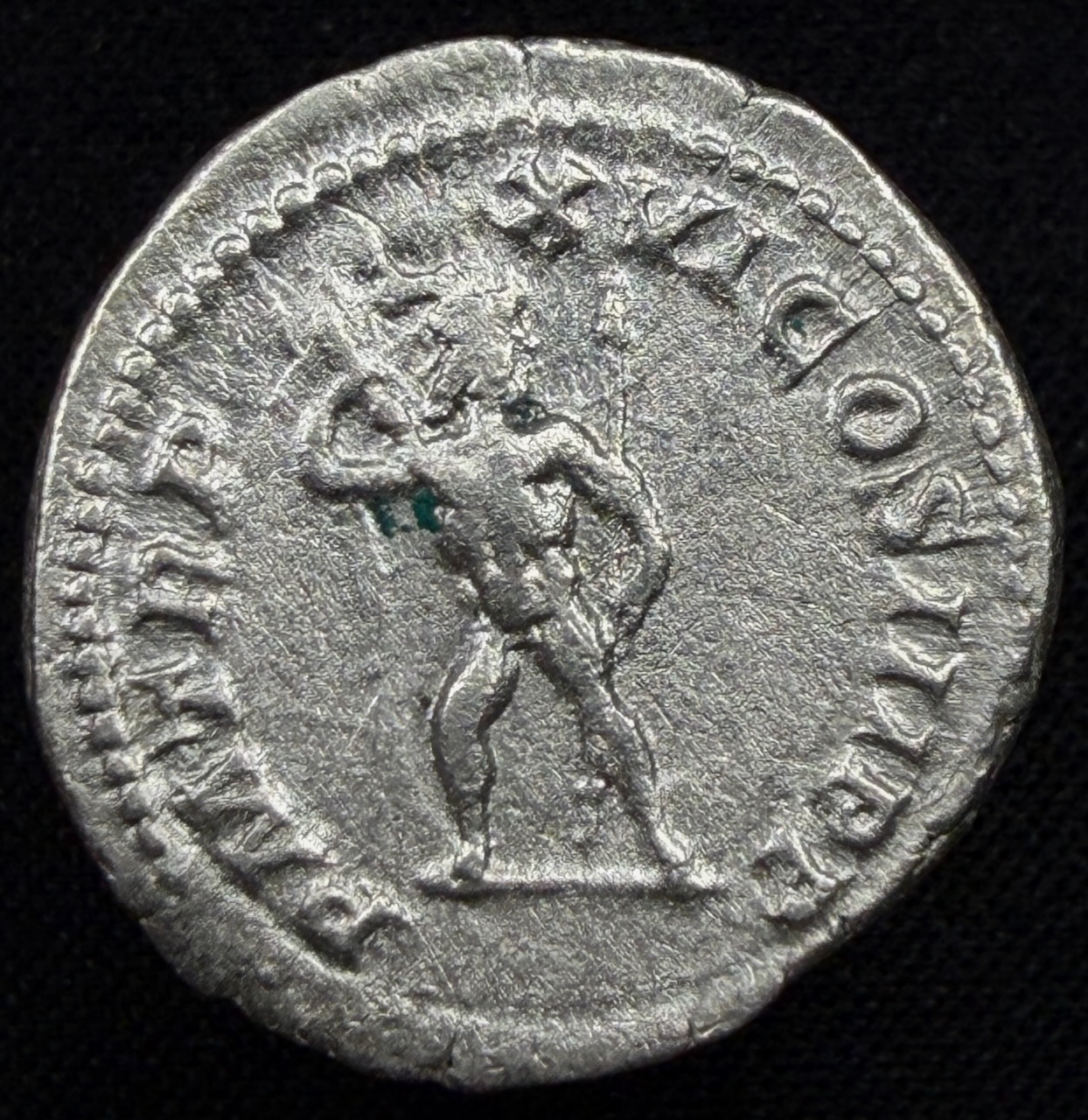
Current: Roman Imperial, Septimius Severus, AR denarius, Rome, 208 AD (RIC IV 216)
Obverse: Laureate head of Septimius Severus right
Reverse: Jupiter standing right, brandishing thunderbolt in raised right hand and holding sceptre in left
Primary reference: RIC IV 216
18 specimens in public collections (ANS 4, British Museum 4, Vienna 4, Ashmolean 3, Göttingen 2); 1 British find recorded by the Portable Antiquities Scheme; weights 2.68–3.86 g, median 3.13 g across 18 recorded; die axis most often 6h.
This collection's specimen, at 3.22 g (my scale), is heavier than 61% of the recorded weights.
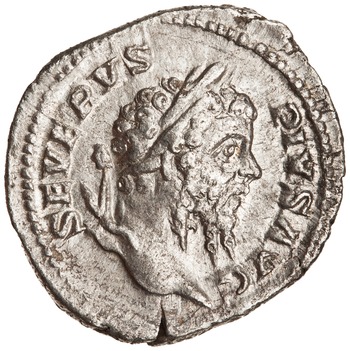
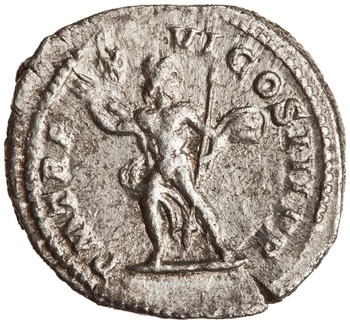
American Numismatic Society, 1944.100.50096. CC BY-NC 4.0. https://numismatics.org/collection/1944.100.50096
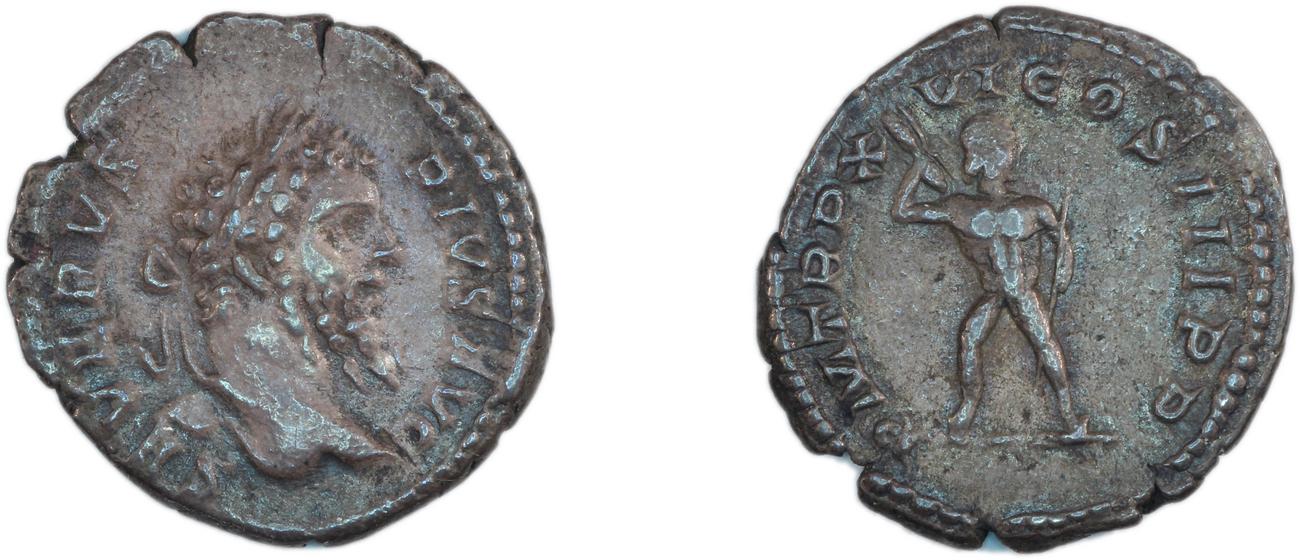
© The Trustees of the British Museum, 1844,0425.1648. CC BY-NC-SA 4.0. https://www.britishmuseum.org/collection/object/C_1844-0425-1648
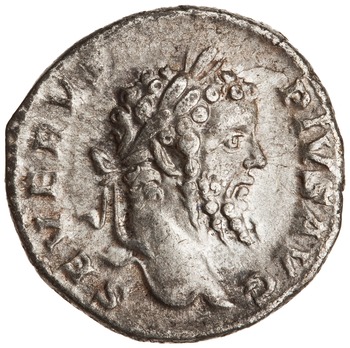
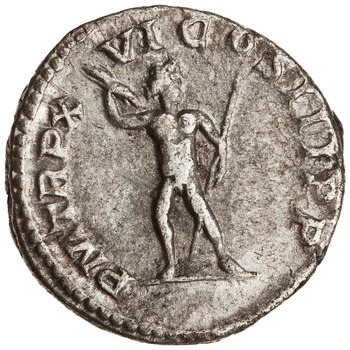
American Numismatic Society, 1944.100.50097. CC BY-NC 4.0. https://numismatics.org/collection/1944.100.50097
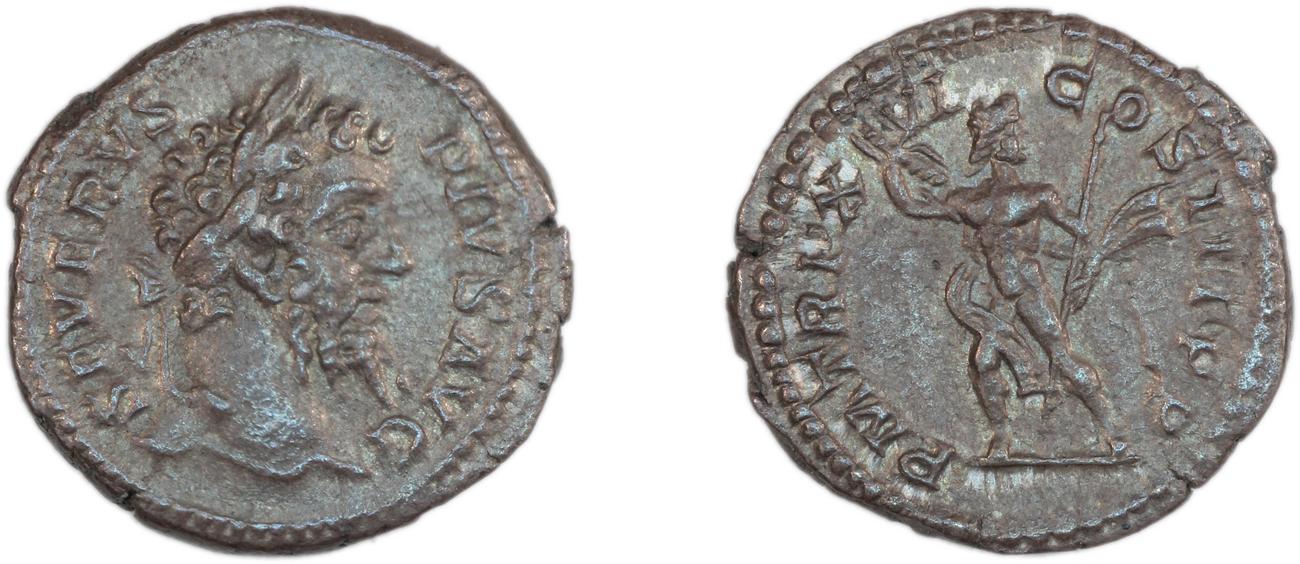
© The Trustees of the British Museum, 1938,0207.55. CC BY-NC-SA 4.0. https://www.britishmuseum.org/collection/object/C_1938-0207-55
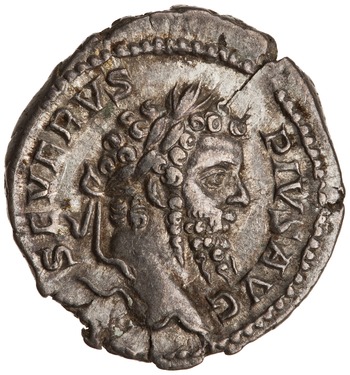
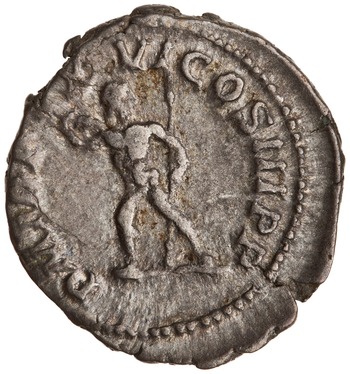
American Numismatic Society, 1986.161.121. CC BY-NC 4.0. https://numismatics.org/collection/1986.161.121
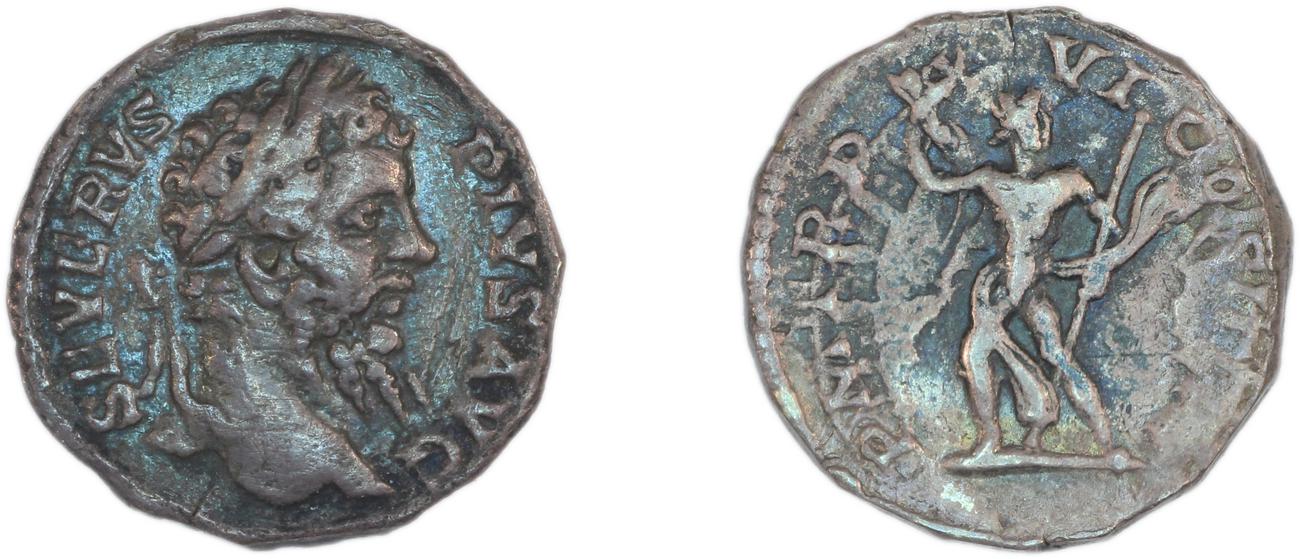
© The Trustees of the British Museum, 1955,0203.2. CC BY-NC-SA 4.0. https://www.britishmuseum.org/collection/object/C_1955-0203-2
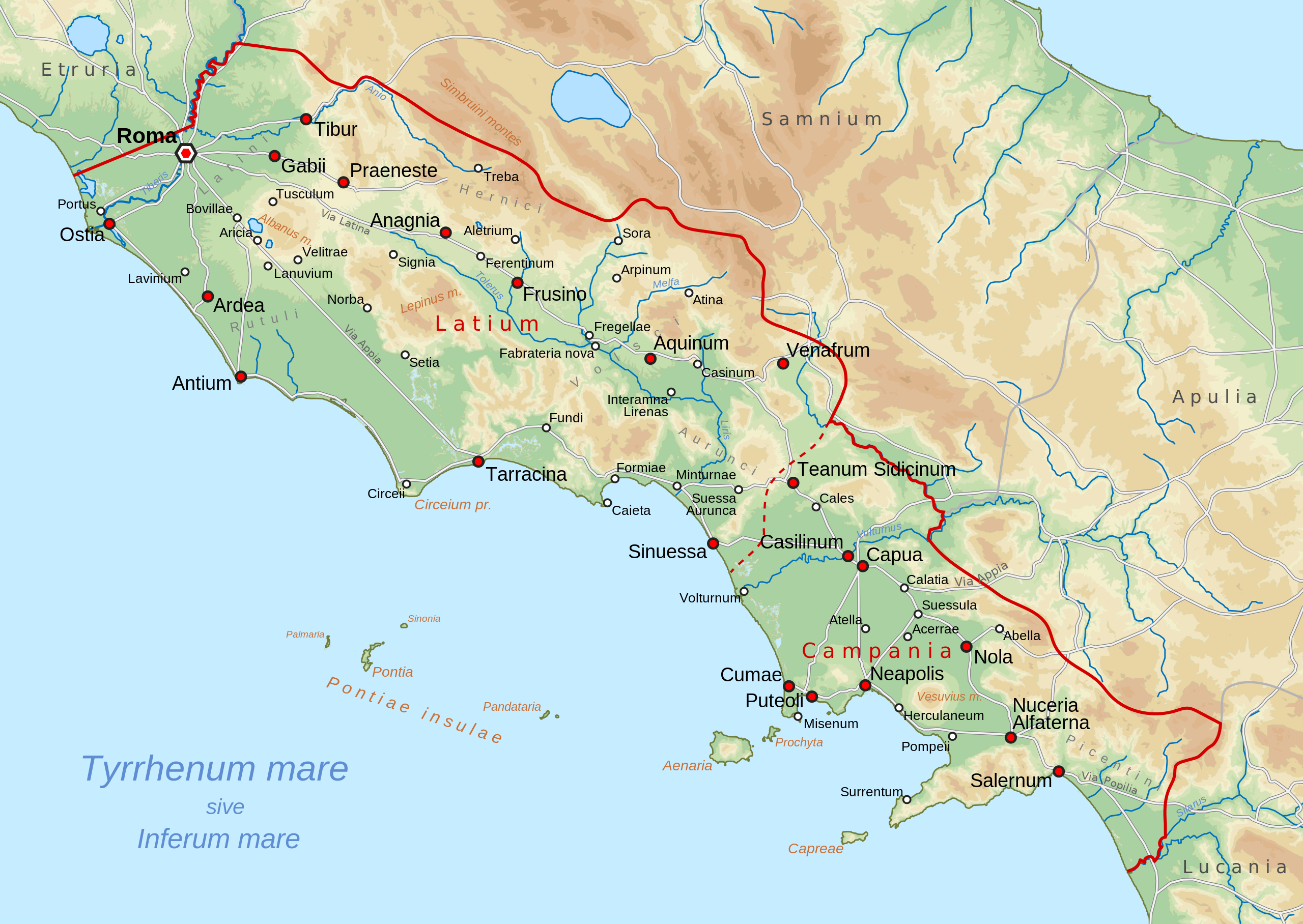
Regio I, Latium et Campania — the heartland of Roman Italy as organized under Augustus. Roma sits at the upper left, marked by the map’s hexagonal capital symbol and bold label. After Severus consolidated power the Rome mint again struck nearly all imperial silver, this issue included — even as the court prepared to leave for Britain.
“Map of Augustan Regio I Latium et Campania” by Tomisti (Wikimedia Commons), File:Regio I Latium et Campania map.svg, licensed CC BY-SA 4.0; cities and roads based on the Digital Atlas of the Roman Empire (DARE) and Pleiades; topographic base © OpenMapTiles, © OpenStreetMap contributors. Reproduced unmodified.
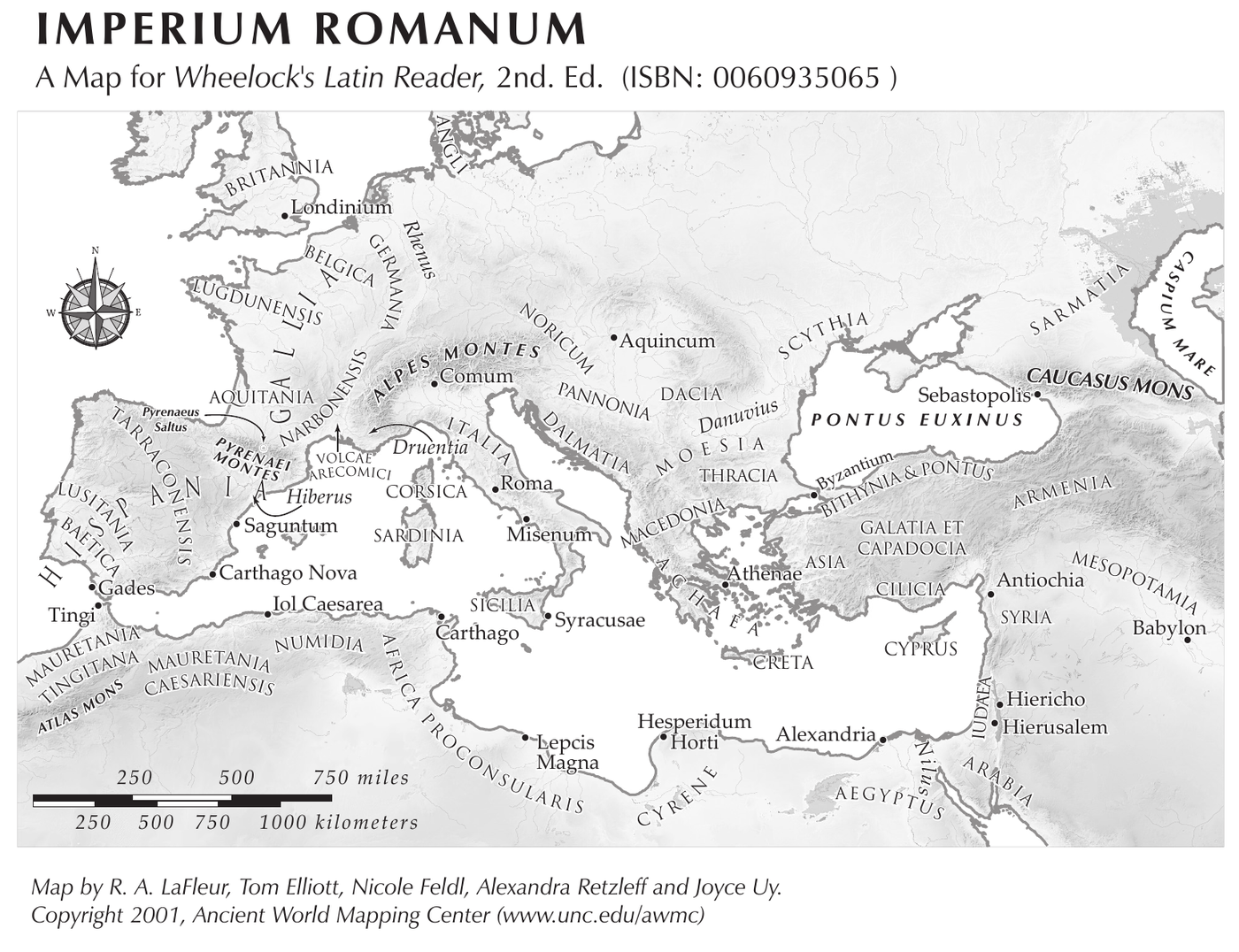
Roma sits at the center of Italia. Struck in AD 208, the year Severus took his army to Britannia, at the top left of this map. He never came back: he died at Eboracum in 211, about as far from Rome as an emperor could campaign.
In 208 AD, the year this denarius was struck, Septimius Severus — African-born founder of the Severan dynasty, victor of four civil and foreign wars, now past sixty and crippled by gout — packed the imperial court onto ships and sailed for Britain. The northern frontier had broken down, and Herodian adds that the emperor wanted his quarrelling sons Caracalla and Geta out of Rome’s temptations and into army camps. He would never return: after two grinding campaigns beyond Hadrian’s Wall he died at York (Eboracum) in February 211, leaving the empire jointly to the sons, with famous deathbed advice reported by Dio — “be harmonious, enrich the soldiers, and scorn all other men.” The harmony lasted ten months; Caracalla had Geta murdered before the year was out.
Graphic: JSB Coins (CC0).
The reverse of this coin belongs to that departure year. Jupiter strides right with the thunderbolt raised to throw — not the enthroned guarantor of settled order (compare Nero’s IVPPITER CVSTOS or the sestertius of Marcus Aurelius), but the active, weapon-in-hand protector appropriate to an emperor going to war. The legend is pure titulature — P M TR P XVI COS III P P — and it is the tribunician number that dates the coin to the year the British expedition assembled.
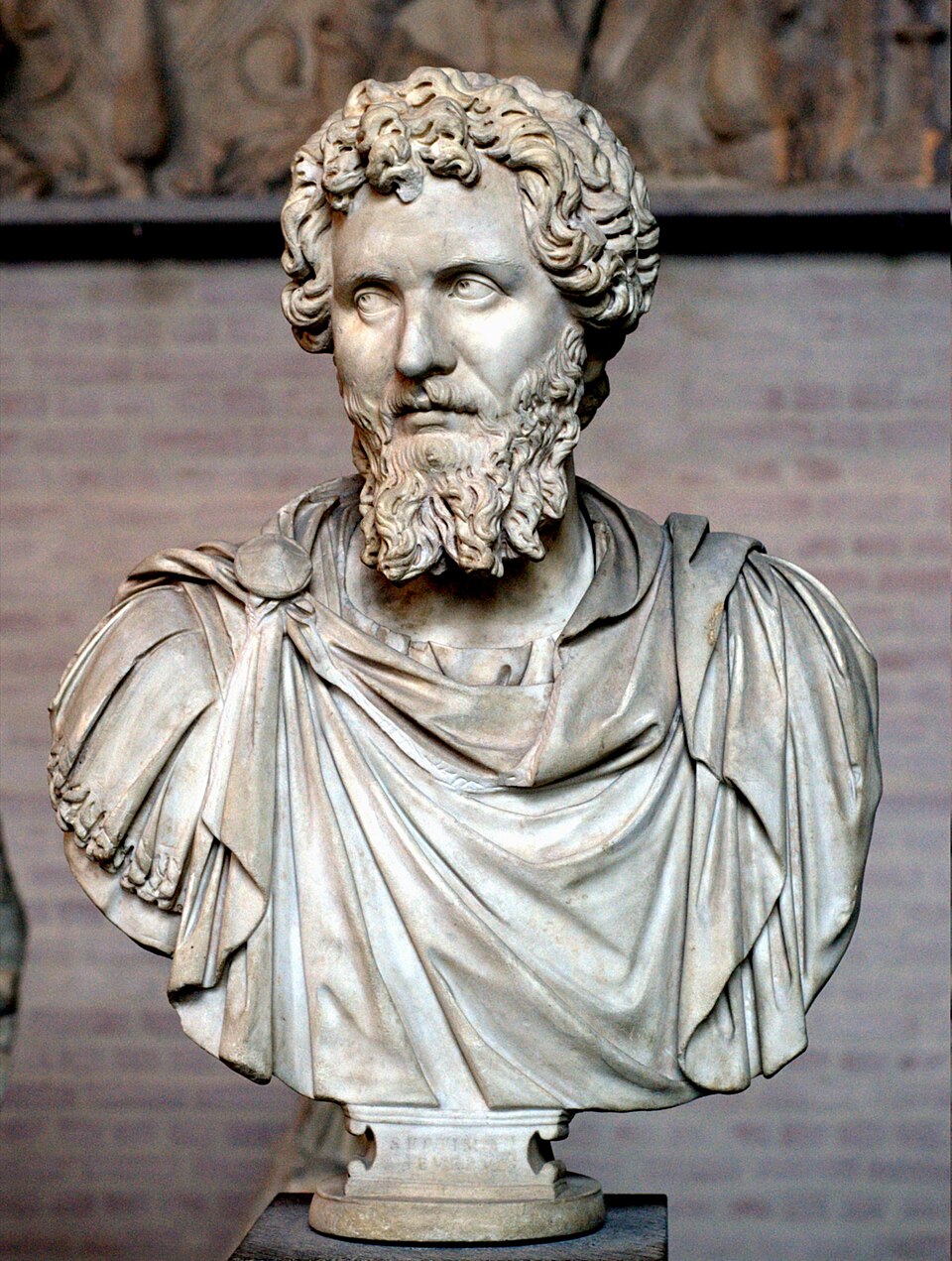
Photo by Bibi Saint-Pol, Wikimedia Commons, released into the public domain.
Severus paid for his wars with money: he raised soldiers’ pay substantially (the first raise since Domitian) and funded it in part by lowering the denarius’ fineness to roughly half silver — analyses in Butcher and Ponting’s metallurgical survey (The Metallurgy of Roman Silver Coinage, 2014) put Severan denarii near 46–50% fine, the lowest to that date. A coin like this one, decently struck on bright metal, shows how well the mint disguised it. The family context of the issue is well represented in this collection: his wife Julia Domna’s Concordia denarius from the debated eastern mint, and the Vesta denarius of Julia Mamaea, struck for his great-niece by marriage when the dynasty was in its final decade. The next generation is here too: the Annona denarius of Caracalla, struck in 212, the year the son murdered his brother and began spending down the settlement this emperor had left him.
Attribution: RIC IV 216; RSC 501 (the reference on Zauche’s tag) — see the WildWinds Septimius Severus index for the type. TR P XVI = 208 AD by the standard tribunician reckoning. The British expedition and death at York: Cassius Dio 77.11–15 (with the deathbed advice at 77.15.2); Herodian 3.14 — both now linked in the references. The Serapis portrait type: standard studies of Severan imperial portraiture. Severan pay raise and debasement: K. Butcher and M. Ponting, The Metallurgy of Roman Silver Coinage (2014).
TR P XVI dates the issue precisely to 208 AD. The striding, bolt-hurling Jupiter of this issue is distinct from the statelier Jupiter-with-two-children type of the following year (RIC 226, TR P XVII) — Zauche's tag description ('Jupiter looking r. brandishing thunderbolt') and the RSC 501 reference match the 208 type. The coin's reverse legend is partly weak on the collection's specimen; the XVI reading follows the RSC 501 attribution (see specimen open threads).
John's Ancient Coin Collection · Type · septimius-severus-jupiter-denarius
Image credits for this coin — photographs, maps and graphics used on this page