Type · caracalla-annona-denarius
Current: Roman Imperial, Caracalla, AR denarius, Rome, 212 AD (RIC IV 195)
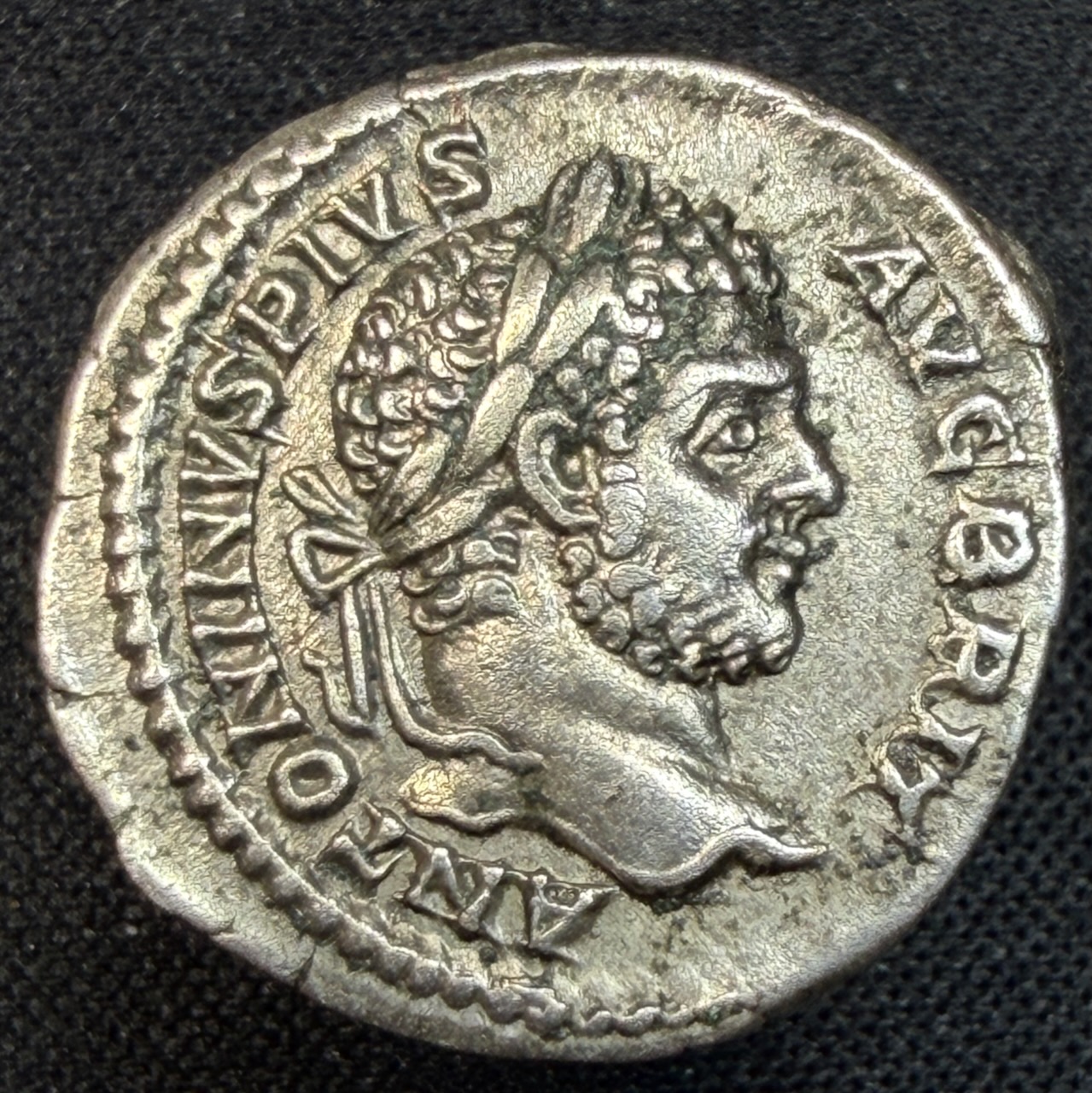
Obverse: Laureate head of Caracalla right
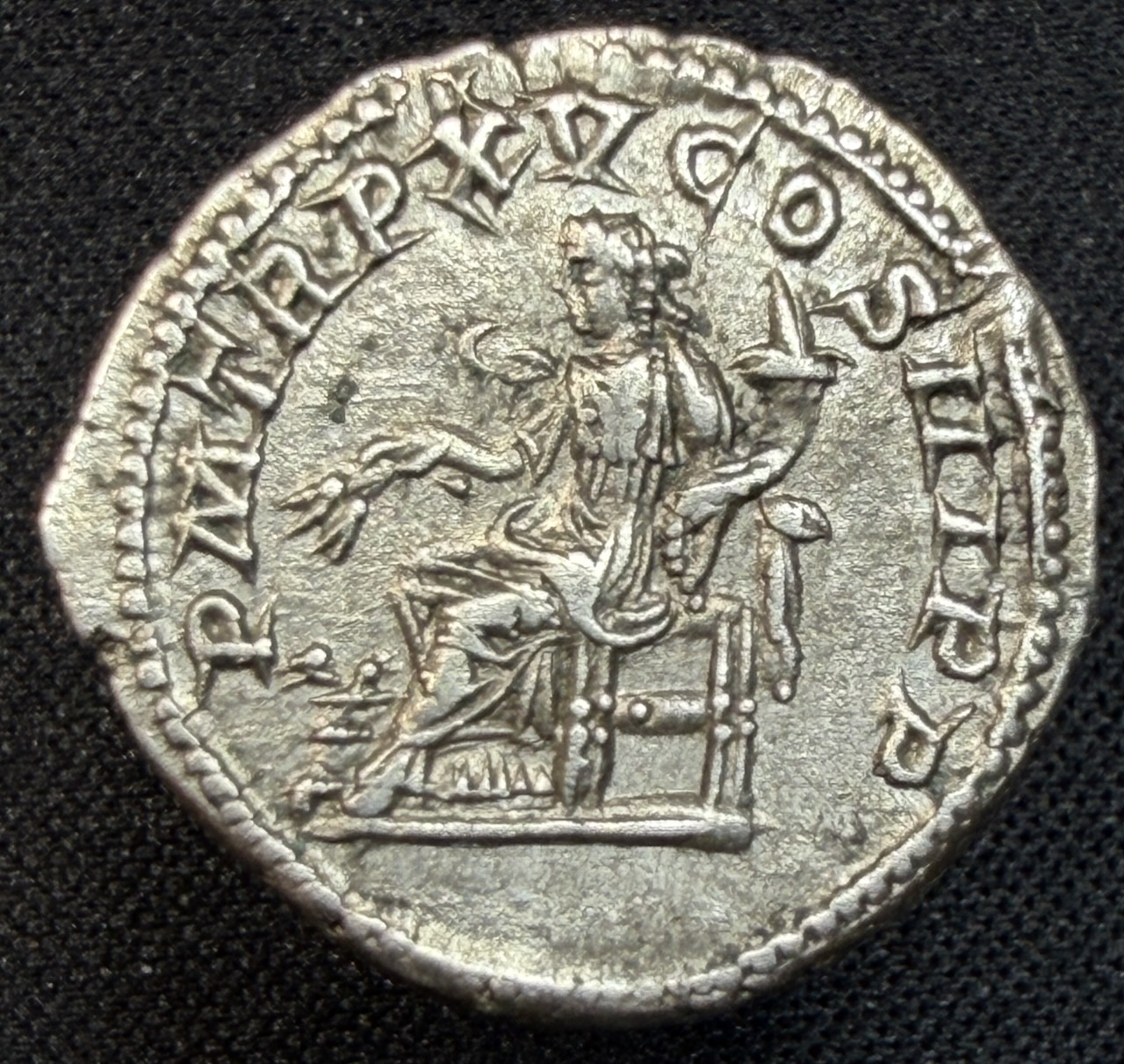
Reverse: Annona seated left, holding stalks of grain in right hand and cornucopia in left; modius at feet
Primary reference: RIC IV 195
11 specimens in public collections (ANS 4, Ashmolean 3, British Museum 2, Göttingen 1, Freiburg 1); 5 British finds recorded by the Portable Antiquities Scheme; weights 1.7–3.45 g, median 3.095 g across 14 recorded; die axis most often 12h.
This collection's specimen, at 3.13 g (my scale), is heavier than 57% of the recorded weights.
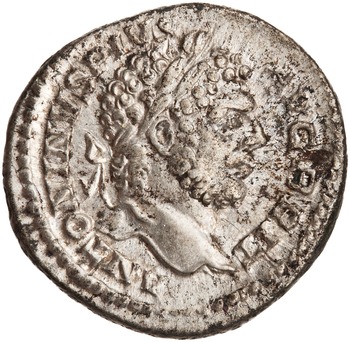
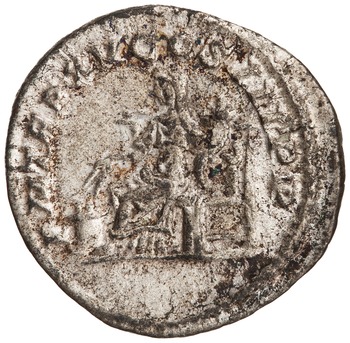
American Numismatic Society, 1935.117.548. CC BY-NC 4.0. https://numismatics.org/collection/1935.117.548
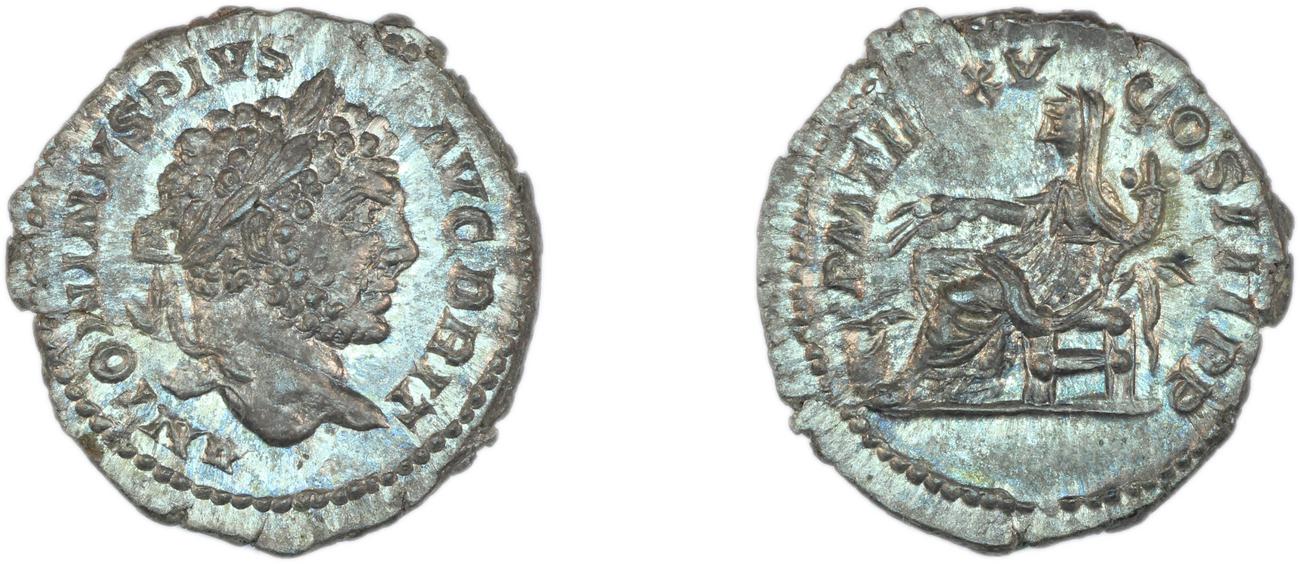
© The Trustees of the British Museum, 1874,0714.57. CC BY-NC-SA 4.0. https://www.britishmuseum.org/collection/object/C_1874-0714-57
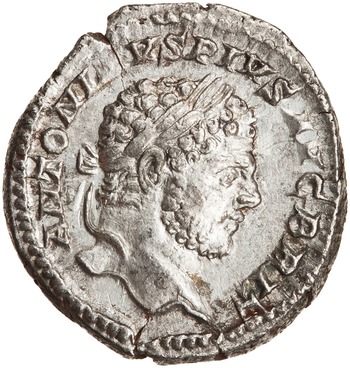
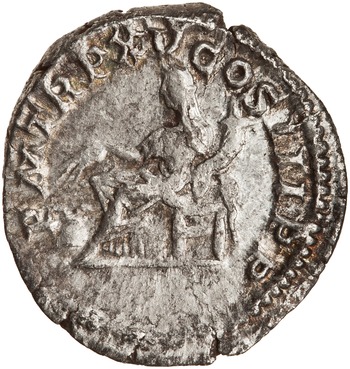
American Numismatic Society, 1944.100.51495. CC BY-NC 4.0. https://numismatics.org/collection/1944.100.51495
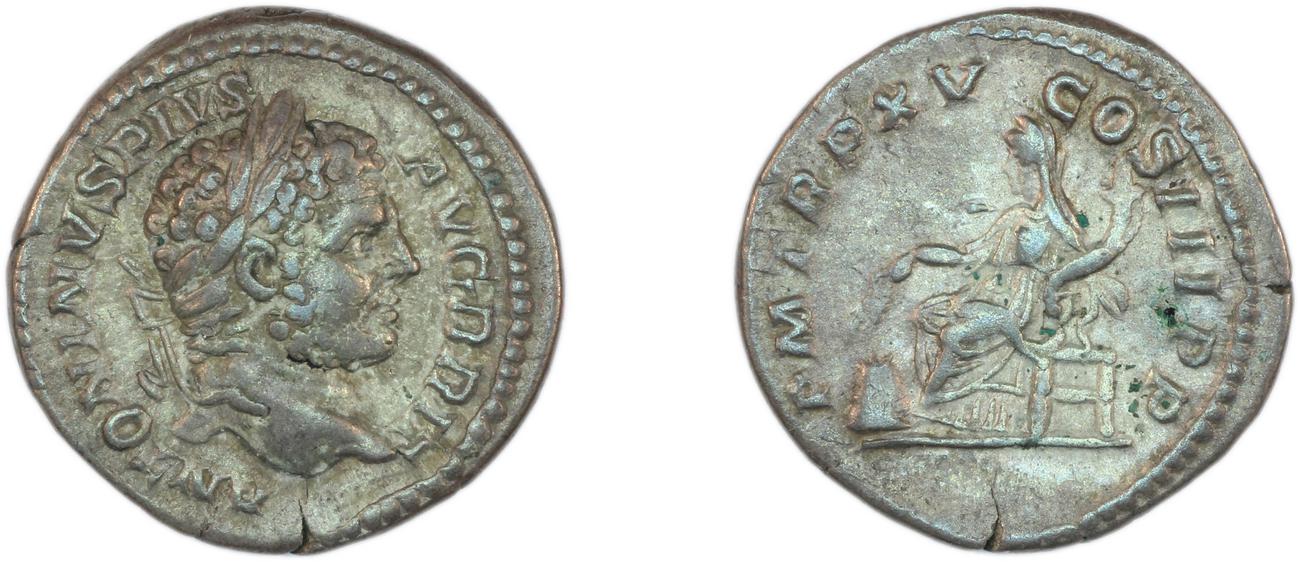
© The Trustees of the British Museum, R.15483. CC BY-NC-SA 4.0. https://www.britishmuseum.org/collection/object/C_R-15483
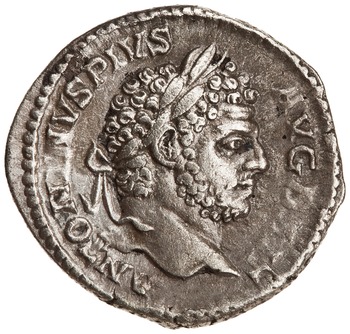
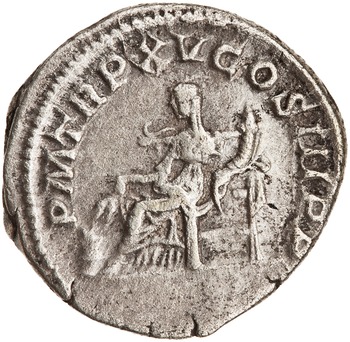
American Numismatic Society, 1944.100.51496. CC BY-NC 4.0. https://numismatics.org/collection/1944.100.51496
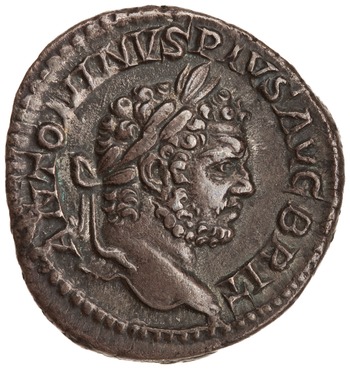
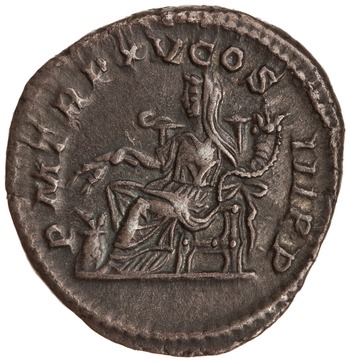
American Numismatic Society, 2004.14.137. CC BY-NC 4.0. https://numismatics.org/collection/2004.14.137
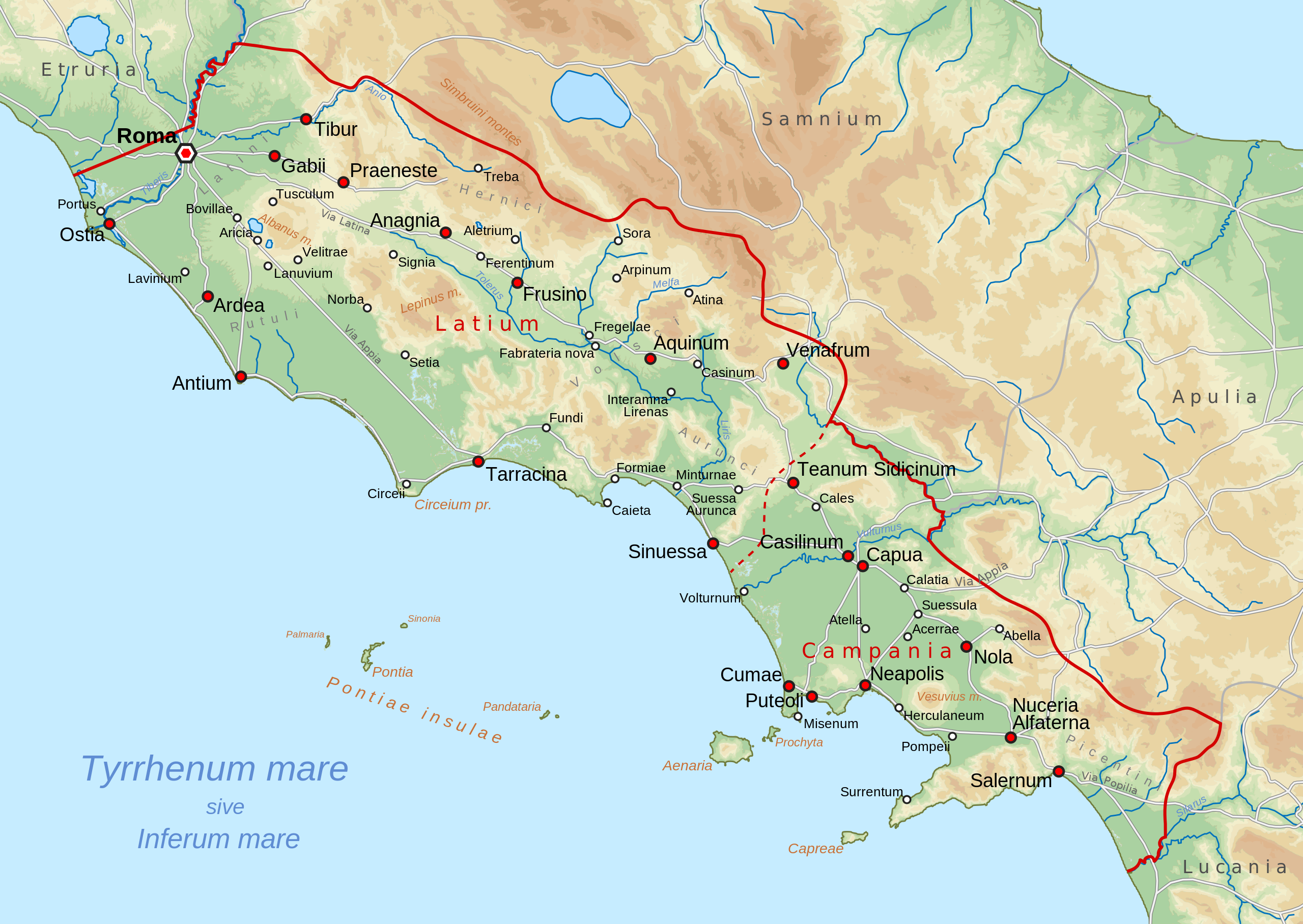
Regio I, Latium et Campania — the heartland of Roman Italy as organized under Augustus. Roma sits at the upper left, marked by the map’s hexagonal capital symbol and bold label. In the year of this coin Caracalla was in the city — it was in the imperial palace there that Geta was killed.
“Map of Augustan Regio I Latium et Campania” by Tomisti (Wikimedia Commons), File:Regio I Latium et Campania map.svg, licensed CC BY-SA 4.0; cities and roads based on the Digital Atlas of the Roman Empire (DARE) and Pleiades; topographic base © OpenMapTiles, © OpenStreetMap contributors. Reproduced unmodified.
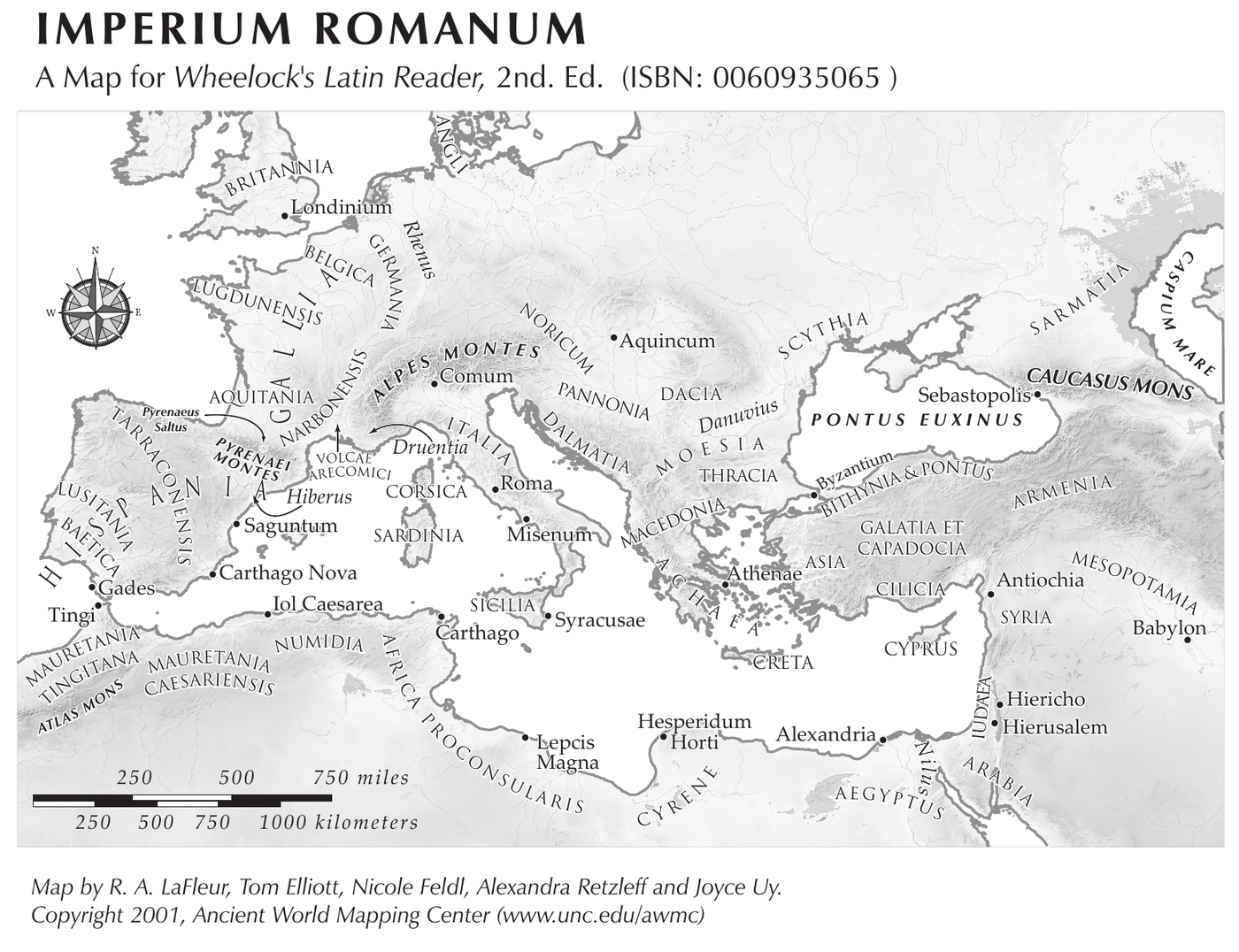
Roma sits at the center of Italia. In AD 212, the year of this denarius, Caracalla made almost every free inhabitant of the whole area drawn here a Roman citizen. The Constitutio Antoniniana is the moment the map stops being Rome’s empire and starts being Rome’s population.
The year on this coin — tribunician year XV, 212 AD — was the pivot of Caracalla’s reign. In December 211, ten months after their father Septimius Severus died at York, Caracalla had his brother and co-emperor Geta murdered in their mother Julia Domna’s apartments, followed by a purge the sources number in the thousands and a damnatio memoriae that scraped Geta’s name off every inscription in the empire. In the same year — the ancient tradition connects the two, alleging a motive of broadening the inheritance-tax base — Caracalla issued the Constitutio Antoniniana, granting Roman citizenship to virtually every free inhabitant of the empire: the single largest legal act in Roman history, done almost in passing.
Graphic: JSB Coins (CC0).
Against all that, the reverse of this denarius is studiedly ordinary: Annona, the grain supply, seated with wheat-ears and cornucopia, the modius measure at her feet. The same goddess had anchored the coinage of the empire’s calmest reign — compare the Annona denarius of Antoninus Pius of 157–158, struck by an emperor whose only battle honor was fifteen years old — and the contrast between the two contexts is the point of holding both. Grain iconography in a year of terror is not an accident — the emperor who had just decimated the elite still had to feed the plebs, and the mint’s routine assurances rolled on as if nothing had happened. The portrait tells the truer story: by 212 the engravers had settled on the scowling, close-cropped soldier’s head — a deliberate break from the serene Antonine images his official name invoked — that makes Caracalla one of the most recognizable faces in the whole imperial series.
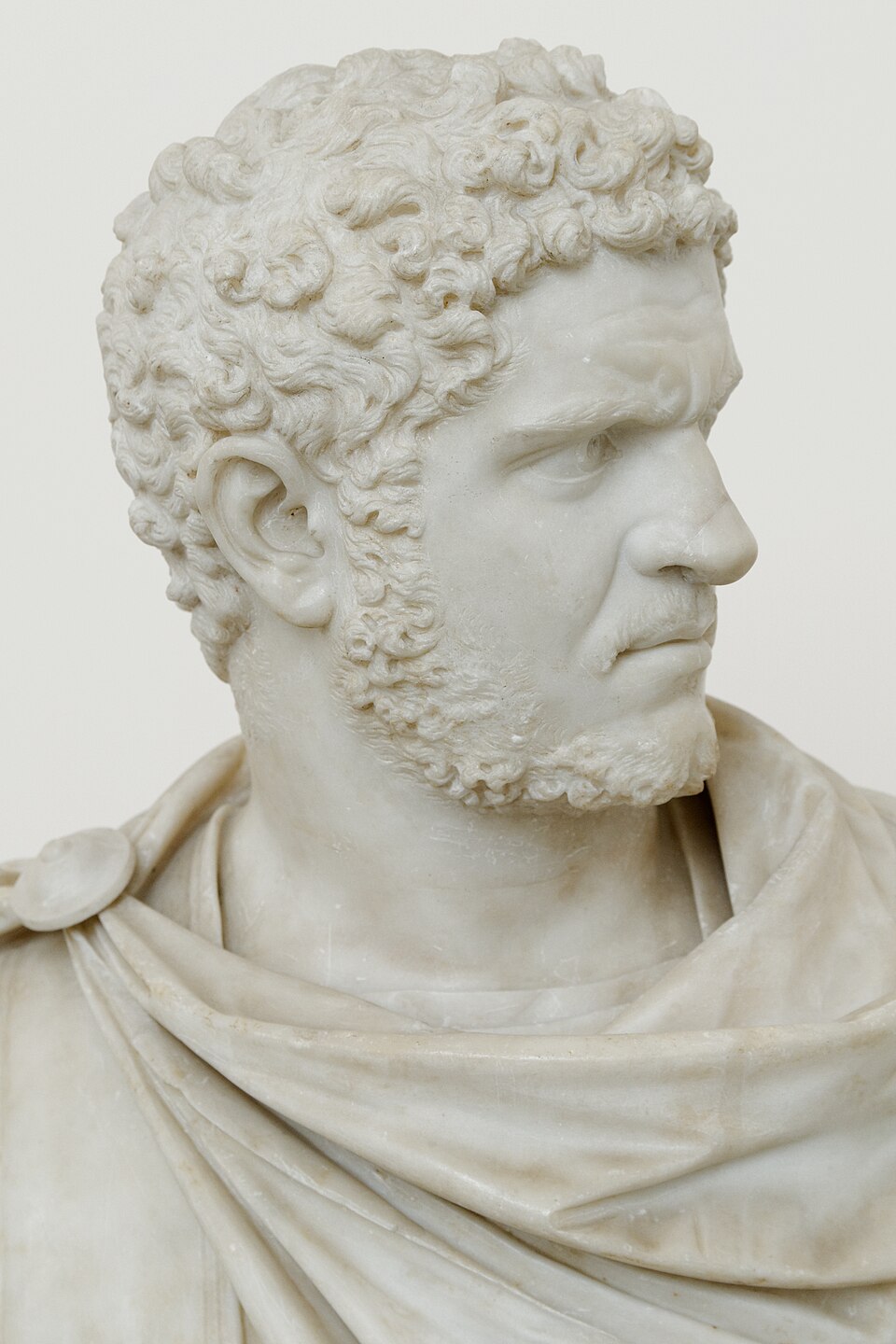
Photo: Marie-Lan Nguyen, Wikimedia Commons, licensed CC BY 2.5, reproduced unmodified.
The silver itself is part of the year’s history. To pay the enormous accession donative and the raise he gave the army, Caracalla both debased the denarius slightly further and, in 215, introduced the overweight radiate “double denarius” (the antoninianus — compare the collection’s Gordian III antoninianus) that would eventually destroy the old denomination this coin represents. His murder in 217 ought to have finished the dynasty. That it did not was the work of his aunt Julia Maesa, whose Pudicitia denarius is here.
Attribution: RIC IV 195; RSC III 205; BMCRE V 44, per Forum Ancient Coins’ tag — see the WildWinds Caracalla index for the type. Geta’s murder and the purge: Cassius Dio 78.1–6; Herodian 4.4–6; the Constitutio Antoniniana and Dio’s tax gibe: Dio 78.9 — Dio and Herodian both now linked in the references. Coinage and debasement: K. Butcher and M. Ponting, The Metallurgy of Roman Silver Coinage (2014); on the antoninianus, the introduction to RIC IV.
TR P XV dates the issue to 212 AD — the year after Severus' death and the year of Geta's murder and the Constitutio Antoniniana. The obverse legend styles him ANTONINVS PIVS AVG BRIT: the official name Marcus Aurelius Antoninus (assumed in 195 to graft the family onto the Antonines) plus BRIT(annicus) from the British wars; 'Caracalla' is a nickname from a Gallic cloak he affected, never used on coins. Annona seated with modius is one of several P M TR P XV reverses of the year.
John's Ancient Coin Collection · Type · caracalla-annona-denarius
Image credits for this coin — photographs, maps and graphics used on this page