Type · augustus-tiberius-quadriga-denarius
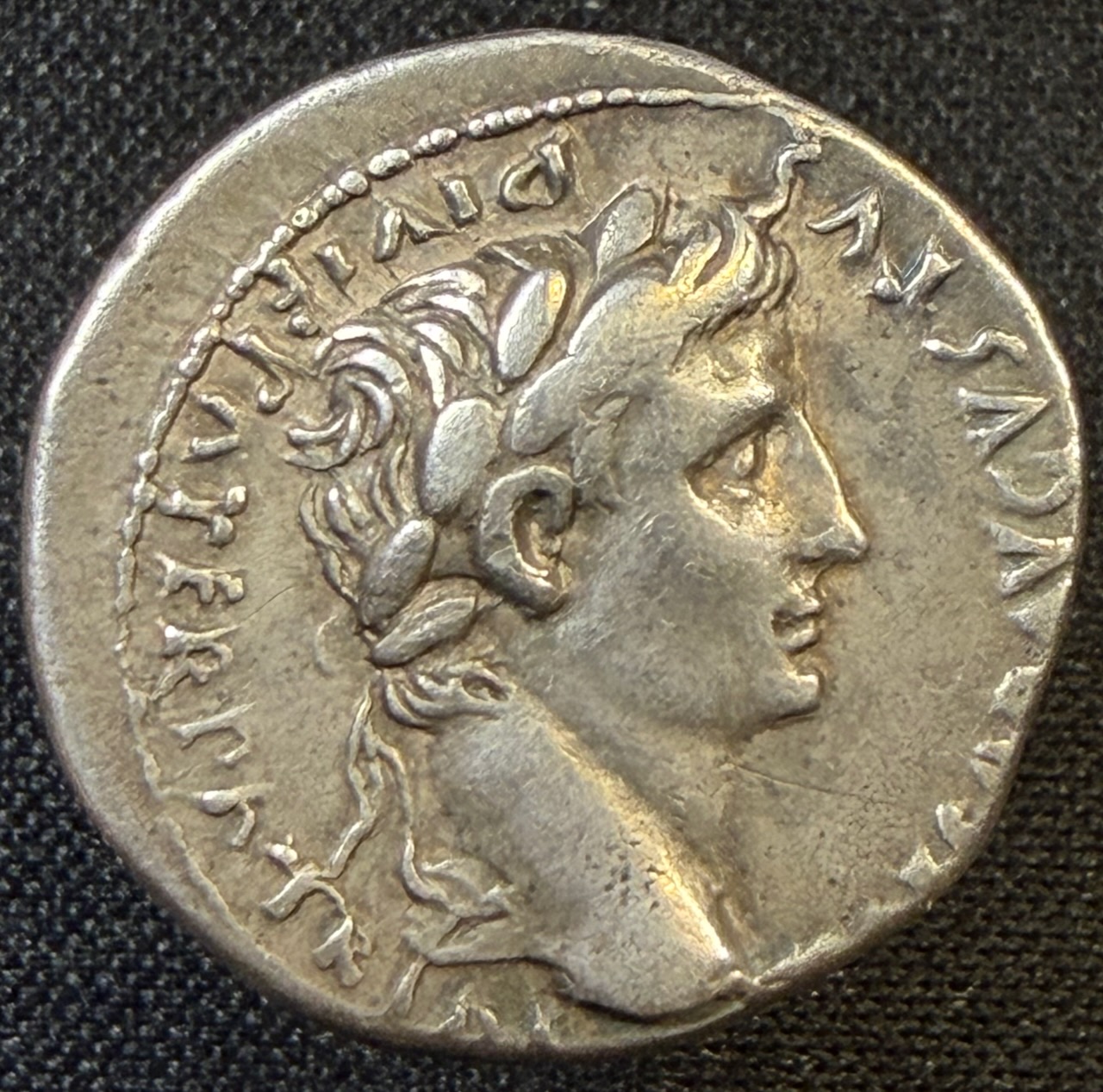
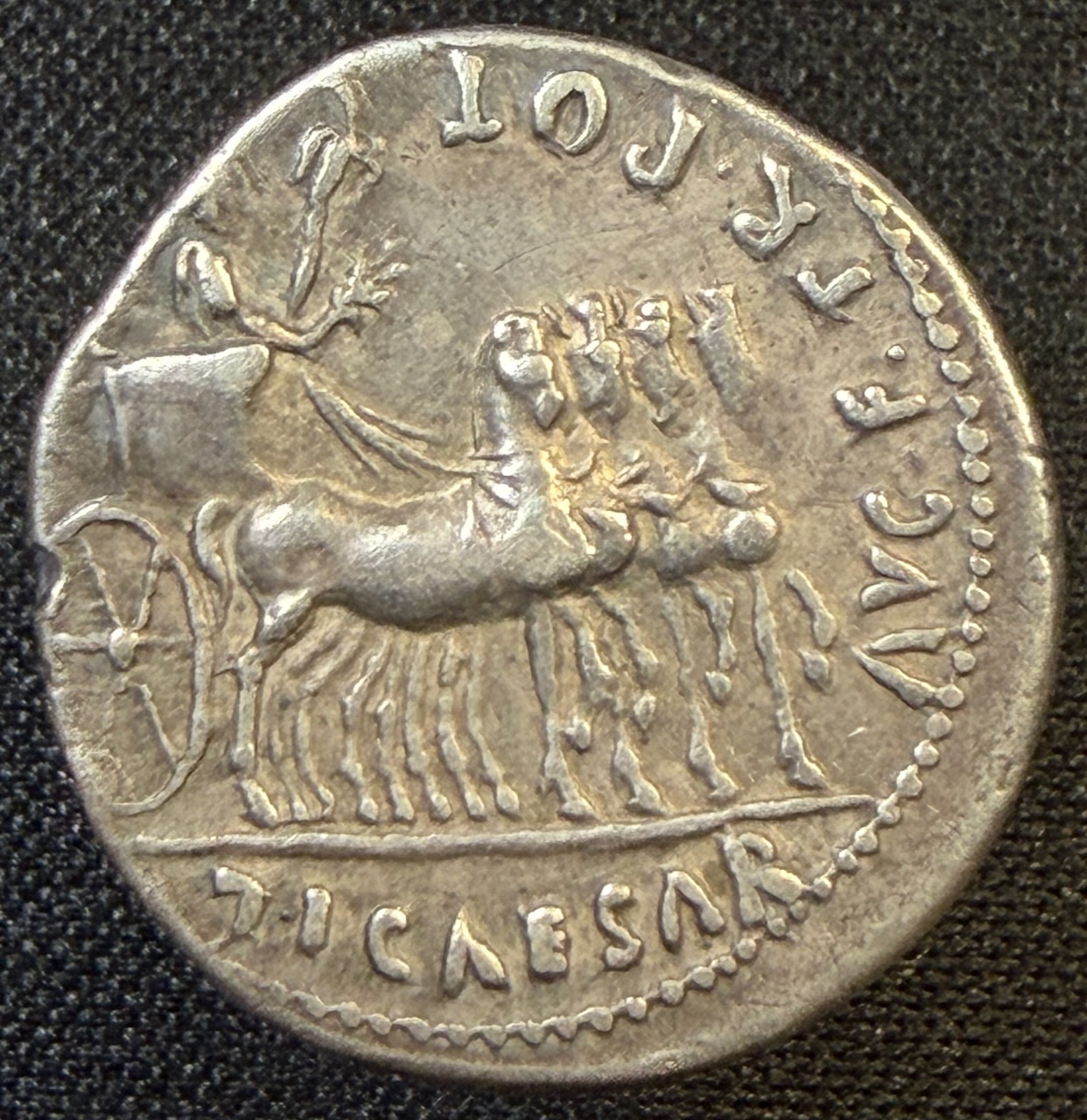
Current: Roman Imperial, Augustus (27 BC–14 AD), AR denarius, Lugdunum, struck 13–14 AD; reverse Tiberius in triumphal quadriga (RIC I 222)
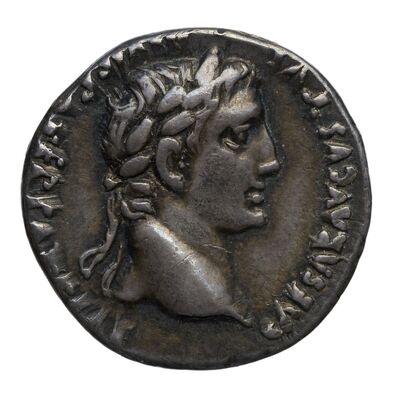
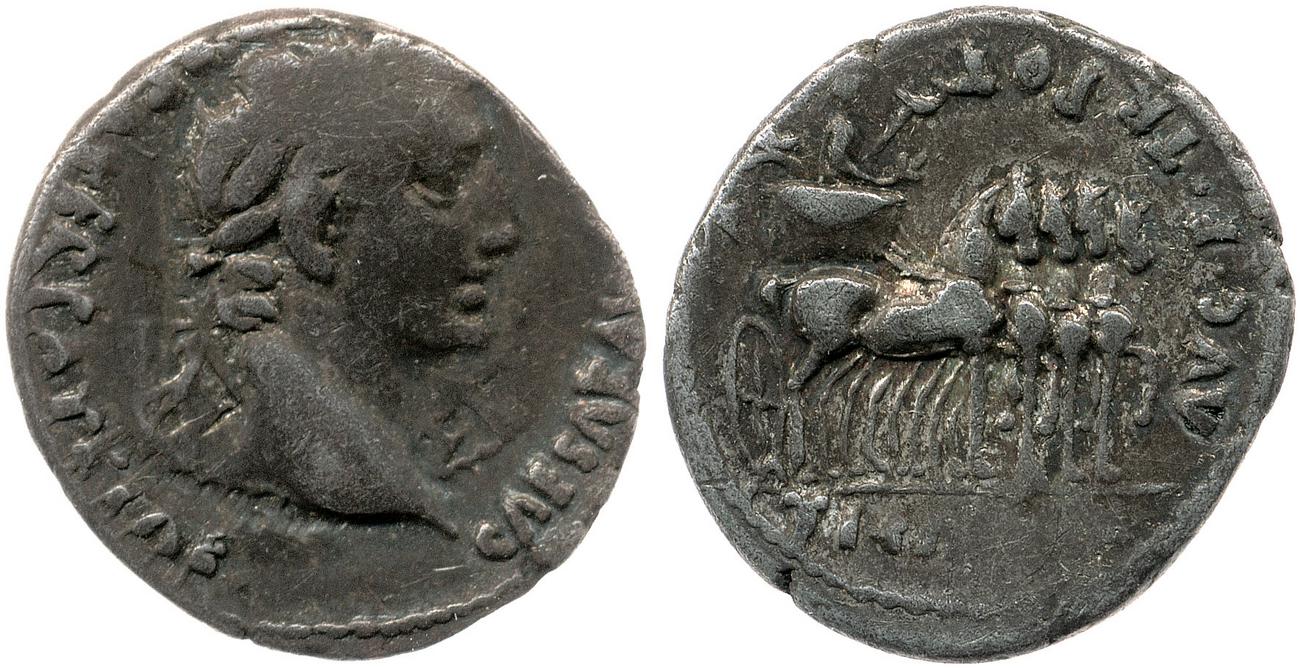
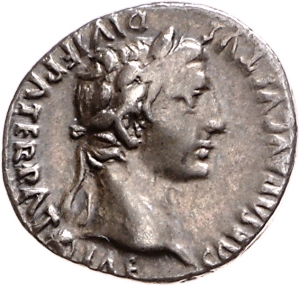
Obverse: Laureate head of Augustus right
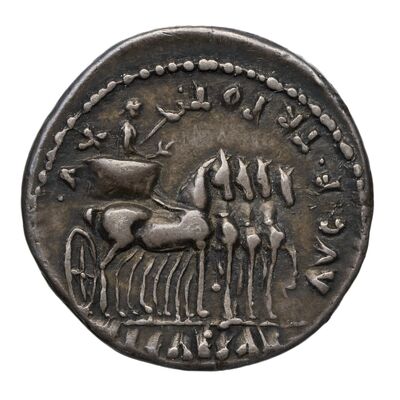
Reverse: Tiberius standing in triumphal quadriga right, holding laurel branch and eagle-tipped sceptre; TI CAESAR in exergue
Primary reference: RIC I 222
14 specimens in public collections (Ashmolean 3, Princeton 3, British Museum 2, BnF 2, Berlin 2); weights 3.16–3.82 g, median 3.635 g across 12 recorded; die axis most often 6h.
This collection's specimen, at 3.71 g (tag), is heavier than 67% of the recorded weights.
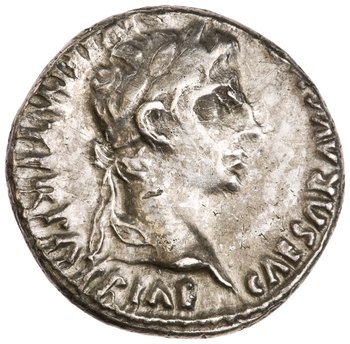
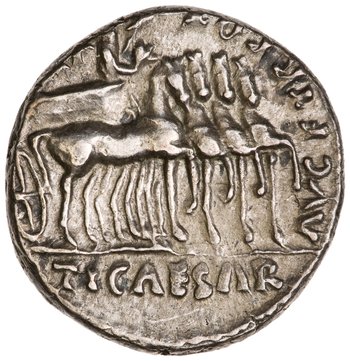
American Numismatic Society, 1944.100.39116. CC BY-NC 4.0. https://numismatics.org/collection/1944.100.39116
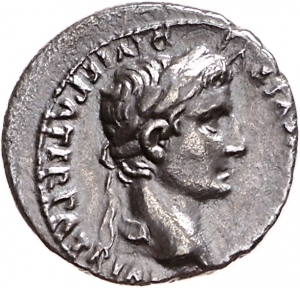
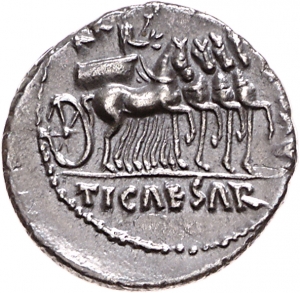
Münzkabinett, Staatliche Museen zu Berlin, 18211329. CC BY-NC-SA 4.0. https://ikmk.smb.museum/object?id=18211329
Bibliothèque nationale de France (Gallica), IMP-5397. non-commercial reuse permitted. https://gallica.bnf.fr/ark:/12148/btv1b11354619c
© The Trustees of the British Museum, R.378. CC BY-NC-SA 4.0. https://www.britishmuseum.org/collection/object/C_R-378
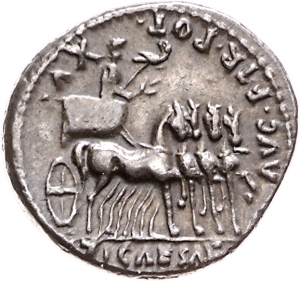
Münzkabinett, Staatliche Museen zu Berlin, 18211330. CC BY-NC-SA 4.0. https://ikmk.smb.museum/object?id=18211330
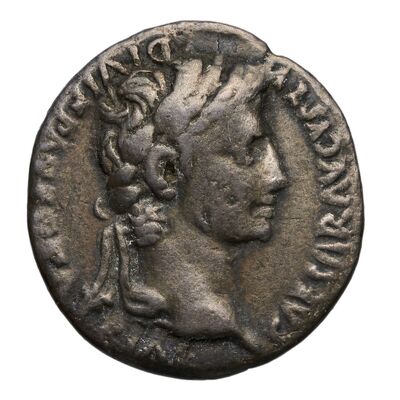
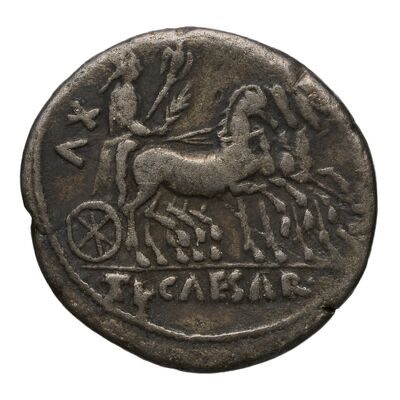
Bibliothèque nationale de France (Gallica), IMP-5398. non-commercial reuse permitted. https://gallica.bnf.fr/ark:/12148/btv1b11354620r
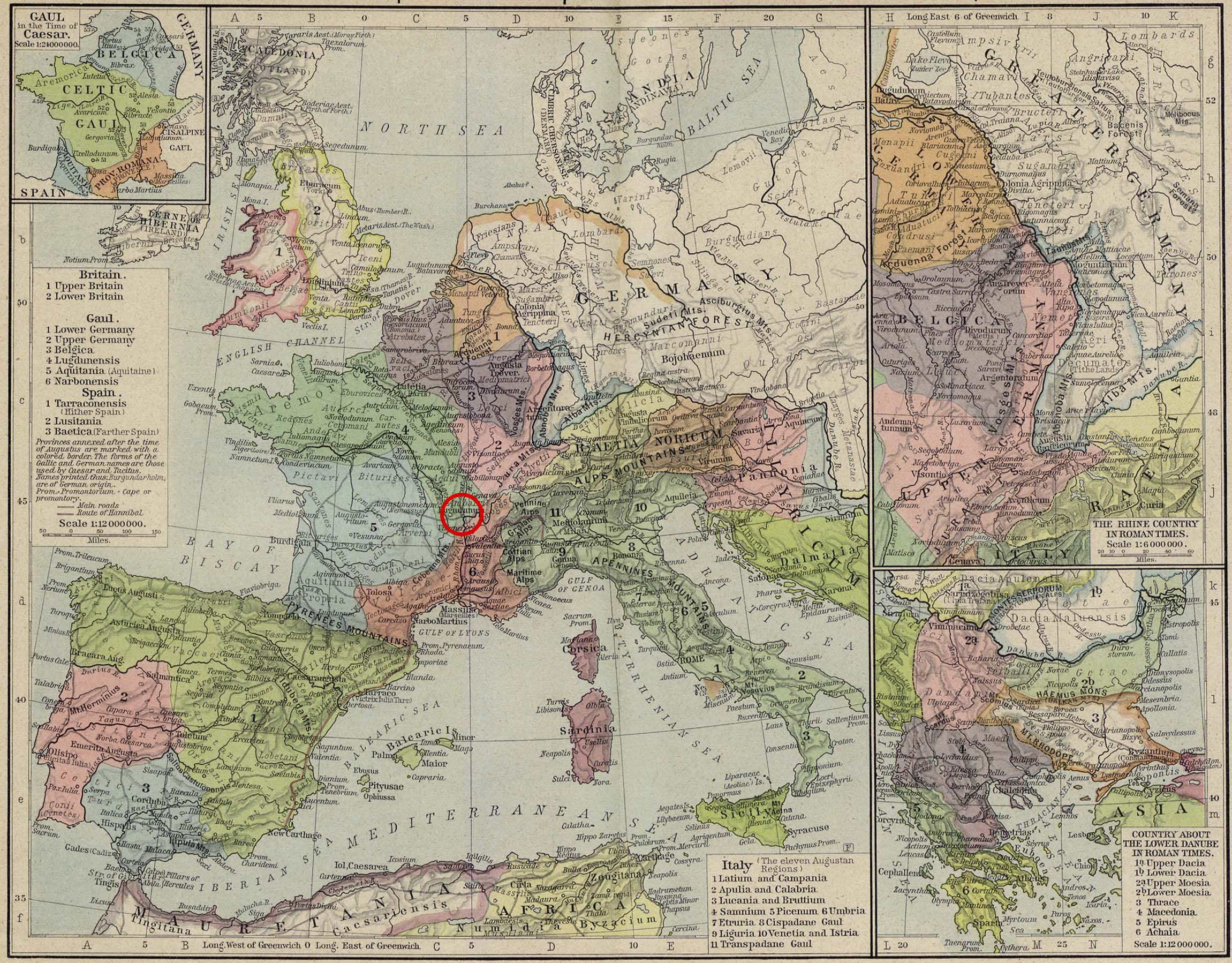
The European provinces of the Roman Empire (Shepherd’s reference map). Lugdunum — circled in red — sits at the confluence of the Rhône and Saône in Gallia Lugdunensis, the province named for it. From c. 15 BC the city housed the empire’s principal mint for gold and silver, placed behind the Rhine armies its coinage paid. Click through to the inset for a closer view of Gaul.
“Reference Map of the European Provinces of the Roman Empire” by William R. Shepherd, Historical Atlas (Henry Holt & Co., 1926 printing), public domain; via Wikimedia Commons, File:European Provinces of the Roman Empire.jpg (scan via the Perry-Castañeda Library, University of Texas). Red circle added to mark Lugdunum.
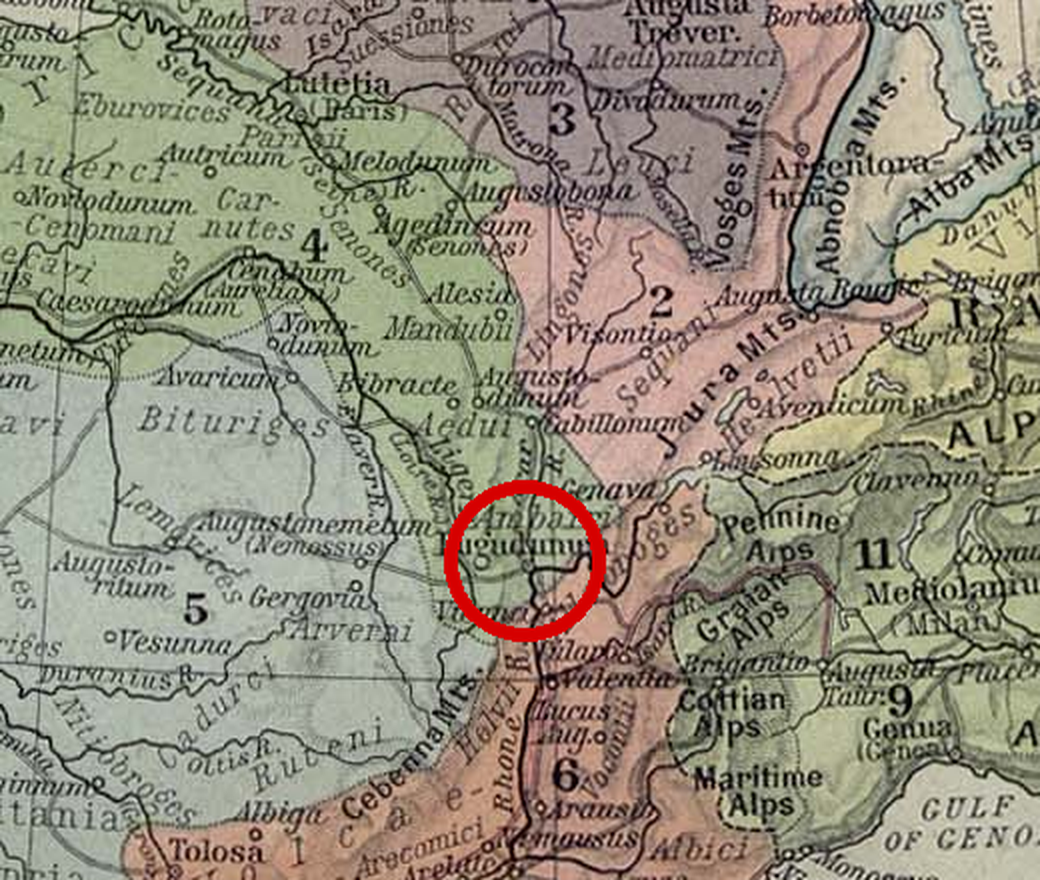
Detail: central Gaul, with Lugdunum circled in red at the Rhône–Saône confluence — Vienna of the Allobroges just downstream, Genava to the east, and the old Aeduan centers Bibracte and Augustodunum to the northwest.
By 13 AD the question that had shadowed Augustus for forty years — who could possibly follow him — had finally been settled, and this denarius is the answer stamped in silver. The obverse carries the aged emperor with the full accumulation of his titles: Caesar Augustus, son of the deified (Julius), father of his country. The reverse belongs entirely to Tiberius, riding in the four-horse chariot of a Roman triumphator, holding the laurel branch and eagle-tipped sceptre, named as Caesar, son of Augustus, and holder of the tribunician power for the fifteenth time. A Roman handling this coin in 13 AD was being told, as plainly as the medium allowed, that the succession was decided.
Tiberius was nobody’s first choice, including Augustus’s. The emperor’s preferred heirs — his nephew Marcellus, his friend and son-in-law Agrippa, and then his grandsons Gaius and Lucius Caesar — all died before him. In 4 AD Augustus adopted his stepson Tiberius, who received grants of tribunician power that marked him unmistakably as the designated successor; the tribunicia potestas was the constitutional core of the emperor’s own position, and counting its annual renewals (here the fifteenth) served as a regnal clock. The triumphal quadriga on the reverse recalls the triumph Tiberius celebrated on 23 October 12 AD for his campaigns in Pannonia and Dalmatia — his last great military credential before the throne, and the event this issue commemorates. The four-horse car itself carried two centuries of Republican memory: the god-driven quadrigas of the second-century denarius — this collection’s Jupiter quadriga of L. Antestius Gragulus (136 BC) is the classic statement — are the ancestors this dynastic reverse repurposes, with a mortal heir now riding where Jupiter drove. (The war that put this dynasty in the chariot is in the collection too: Antony’s legionary denarius, struck for the fleet Actium destroyed.) The winner’s own money of those months is here too — the rostral-column denarius of Imperator Caesar, struck before the Senate had thought of the word Augustus.
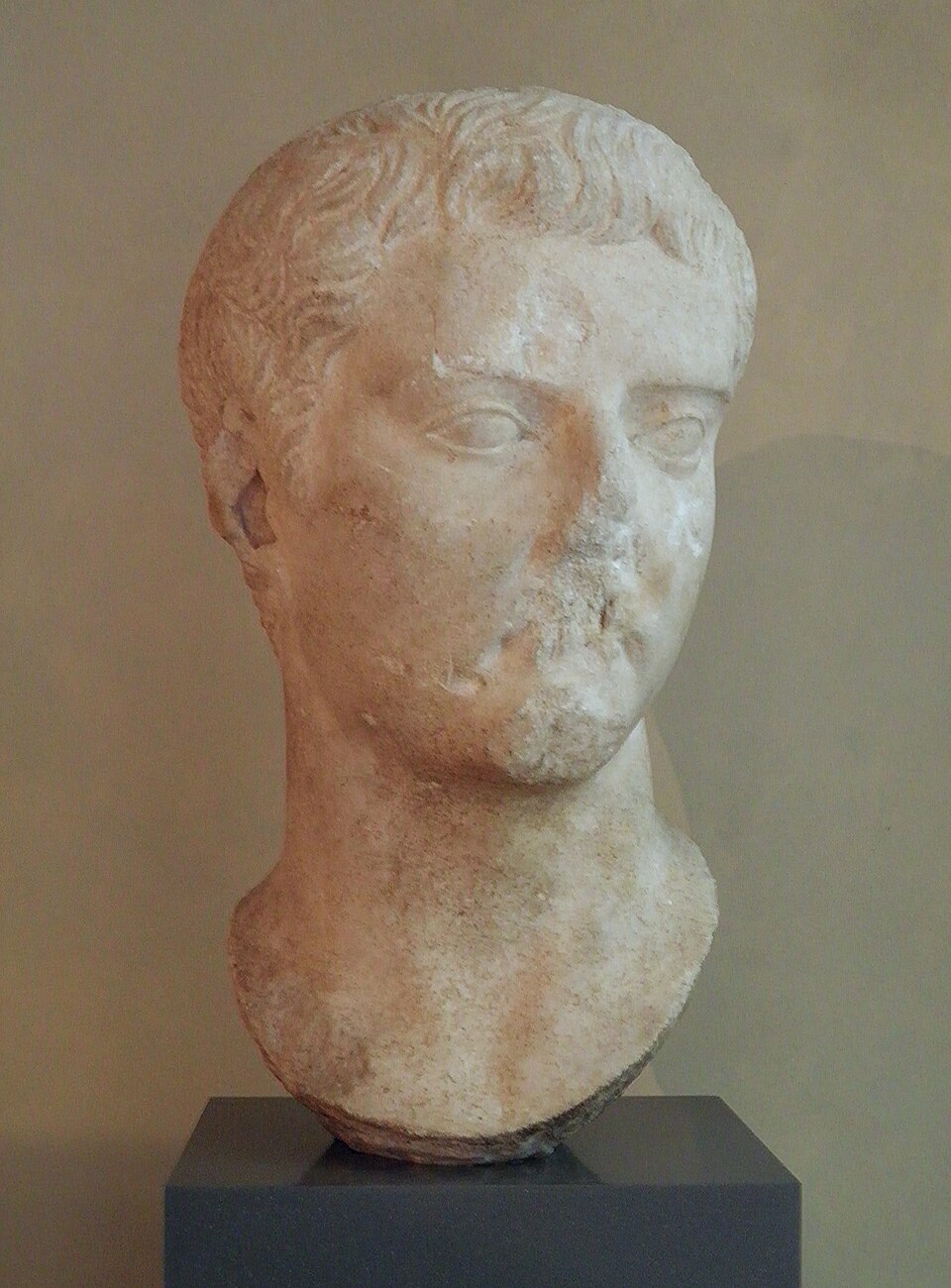
Photo: Carole Raddato, Wikimedia Commons, licensed CC BY-SA 2.0, reproduced unmodified.
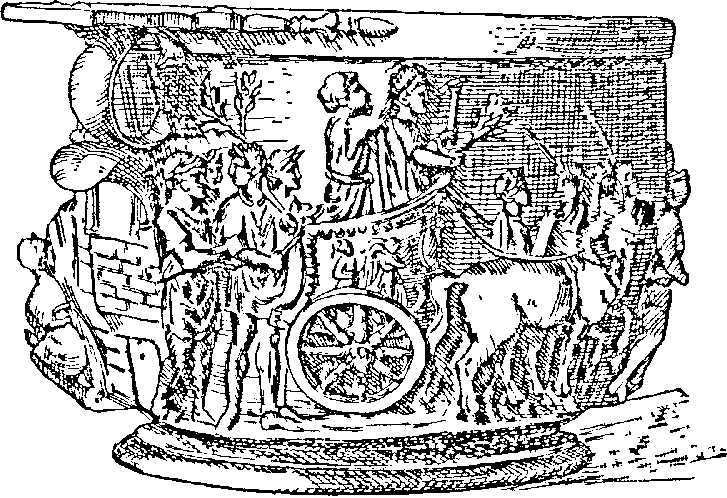
public domain (Wikimedia Commons); reproduced unmodified.
From about 15 BC the mint at Lugdunum (Lyon) in Gaul was the empire’s principal source of imperial gold and silver, conveniently placed behind the Rhine armies that consumed so much coined pay. The great Lugdunum series of Augustus’s last two decades — the Gaius-and-Lucius “altar” and “Caesares” types, then the Tiberius issues — circulated across the whole Roman world. Within months of this coin’s striking Augustus was dead and Tiberius emperor; the same mint simply switched the laureate portrait to the new ruler and carried on, producing the PONTIF MAXIM “Tribute Penny” series that defined Tiberius’s silver coinage.
This issue is the Roman succession made visible: the only dynastic transfer of power Augustus’s new order had yet attempted, advertised on the money that paid the legions who would have to accept it. That the transfer went smoothly in 14 AD — the Senate, the armies, and the provinces all acquiescing — owed much to two decades of exactly this kind of preparation, in which coinage was among the most pervasive instruments. As one of the last lifetime issues of the first emperor, struck at the moment his half-century of rule was ending, the type closes the Augustan coinage the way the Res Gestae closes his reign: with the arrangements for what came next. Either side of it the collection shows the genre before and after: the Apollo and Diana denarius of C. Clodius Turrinus, struck while a moneyer’s coin still carried gods rather than dynasts, and the Felicitas dupondius of Domitian as Caesar, where a Flavian son is advertised as heir a lifetime later.
Attribution and dating follow C. H. V. Sutherland, The Roman Imperial Coinage I (revised ed., London 1984), Augustus 222, which places the TR POT XV quadriga denarius at Lugdunum in 13–14 AD; the RSC 300 reference is as given on the dealer’s tag (Seaby, Roman Silver Coins I). The triumph of 23 October 12 AD and the stages of Tiberius’s advancement are recorded by Suetonius (Tiberius 20–21) and Cassius Dio (56.17), and summarized in the standard treatments of the Augustan succession.
The reverse's TR POT XV dates the issue precisely: Tiberius's fifteenth tribunician year ran from mid-13 to mid-14 AD, making this one of the final denarius issues struck in Augustus's lifetime (he died 19 August 14 AD). The dealer tag cites RSC 300; published listings of the TR POT XV quadriga type also appear under RSC 301 (e.g. Wildwinds s.v. Sear 1638) — the RSC subnumber should be confirmed against Seaby's plates (see open thread on the specimen).
John's Ancient Coin Collection · Type · augustus-tiberius-quadriga-denarius
Image credits for this coin — photographs, maps and graphics used on this page
.jpg)
