Type · severus-alexander-liberalitas-denarius
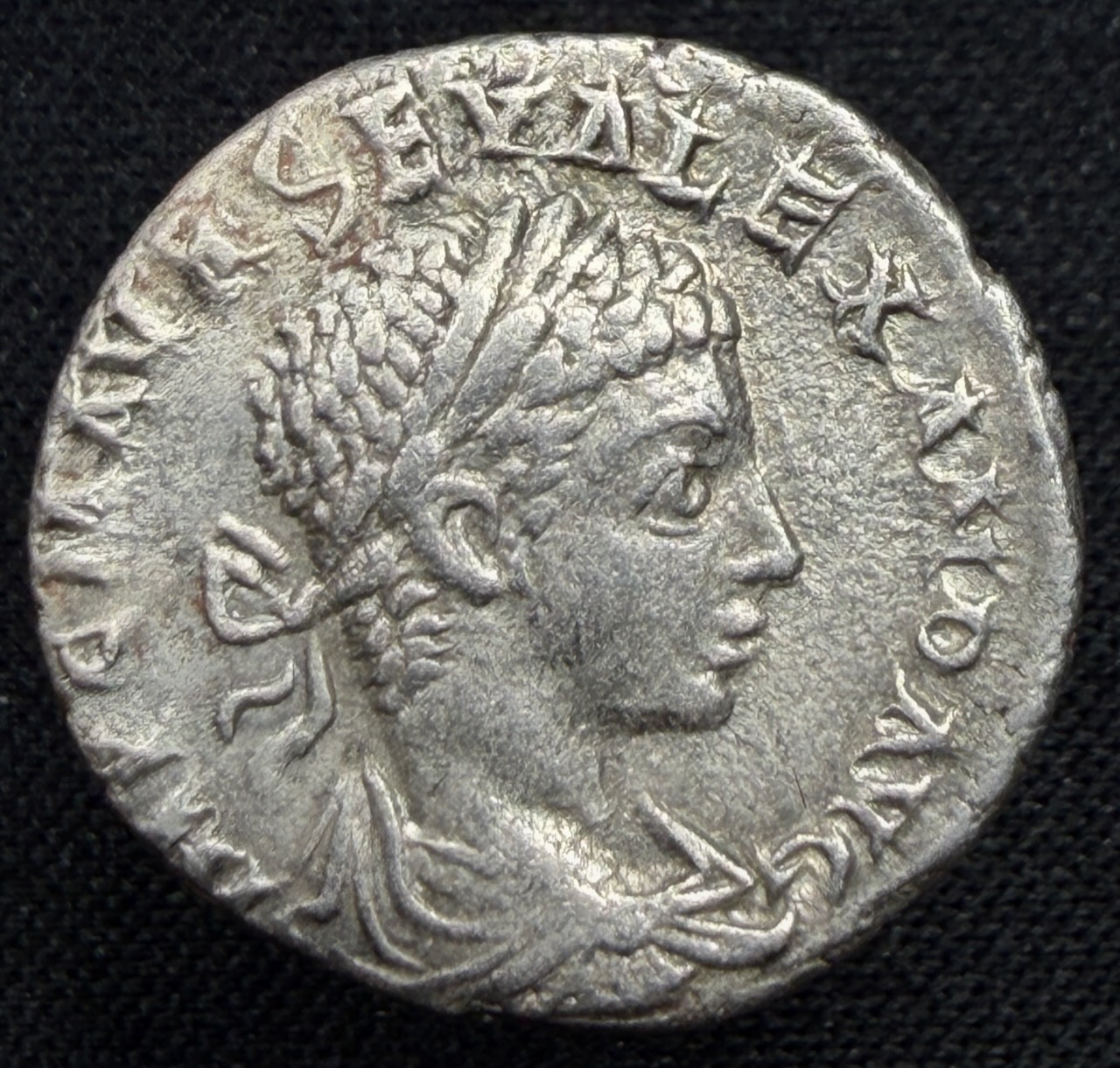
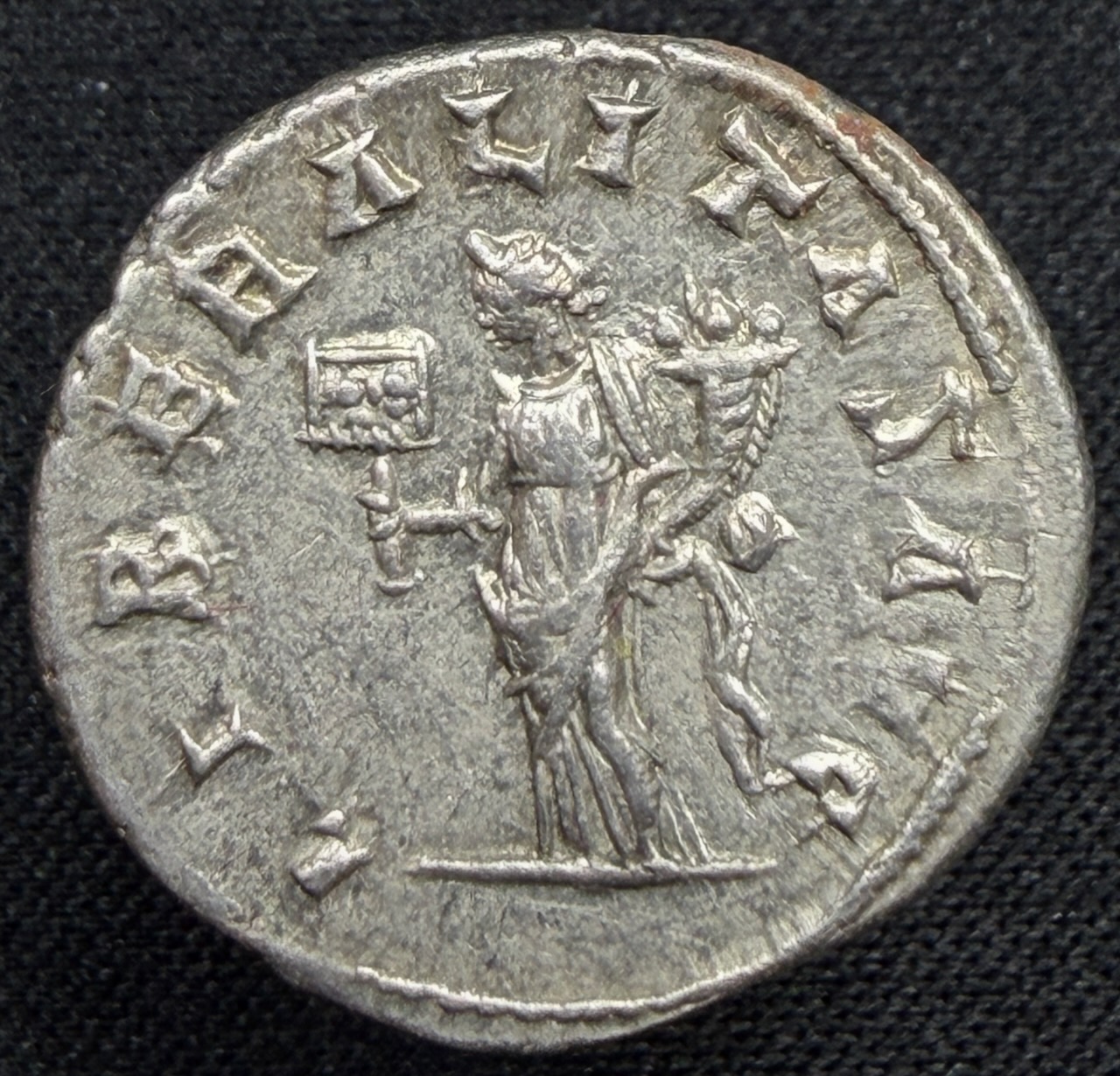
Current: Roman Imperial, Severus Alexander, AR denarius, Rome, 222 AD (RIC IV 148)
Obverse: Laureate, draped and cuirassed bust of Severus Alexander right
Reverse: Liberalitas standing left, holding abacus (counting board) in right hand and cornucopia in left
Primary reference: RIC IV 148
7 specimens in public collections (ANS 4, Ashmolean 2, Vienna 1); 1 British find recorded by the Portable Antiquities Scheme; weights 2.36–3.53 g, median 3.315 g across 8 recorded; die axis most often 12h.
This collection's specimen, at 2.96 g (my scale), is heavier than 12% of the recorded weights.
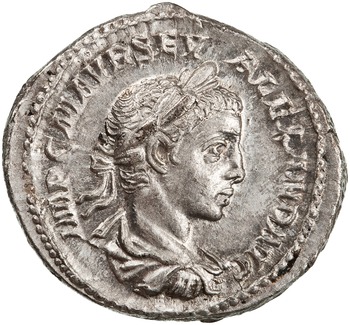
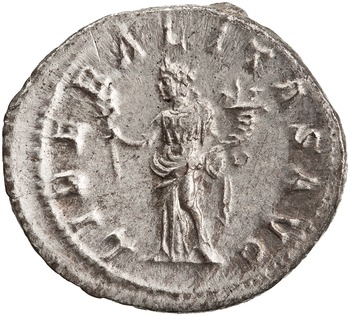
American Numismatic Society, 1944.100.52517. CC BY-NC 4.0. https://numismatics.org/collection/1944.100.52517
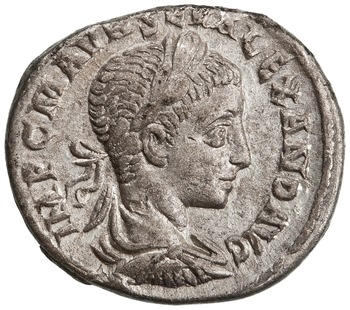
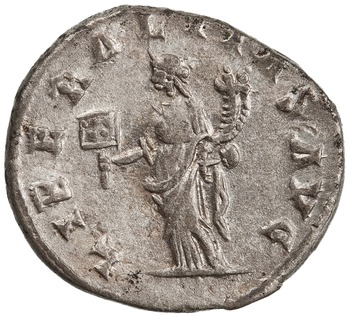
American Numismatic Society, 1944.100.52518. CC BY-NC 4.0. https://numismatics.org/collection/1944.100.52518
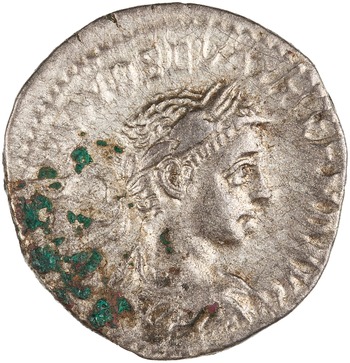
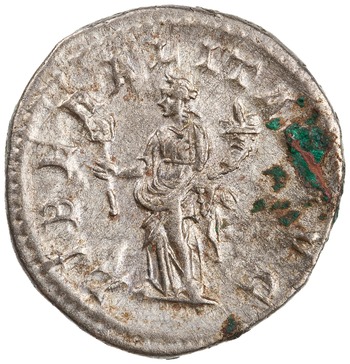
American Numismatic Society, 1987.26.219. CC BY-NC 4.0. https://numismatics.org/collection/1987.26.219
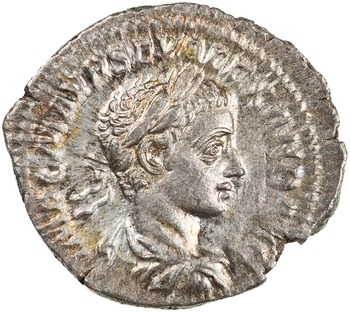
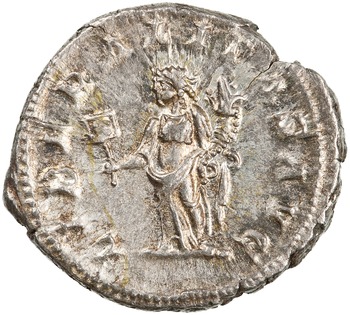
American Numismatic Society, 1995.1.38. CC BY-NC 4.0. https://numismatics.org/collection/1995.1.38
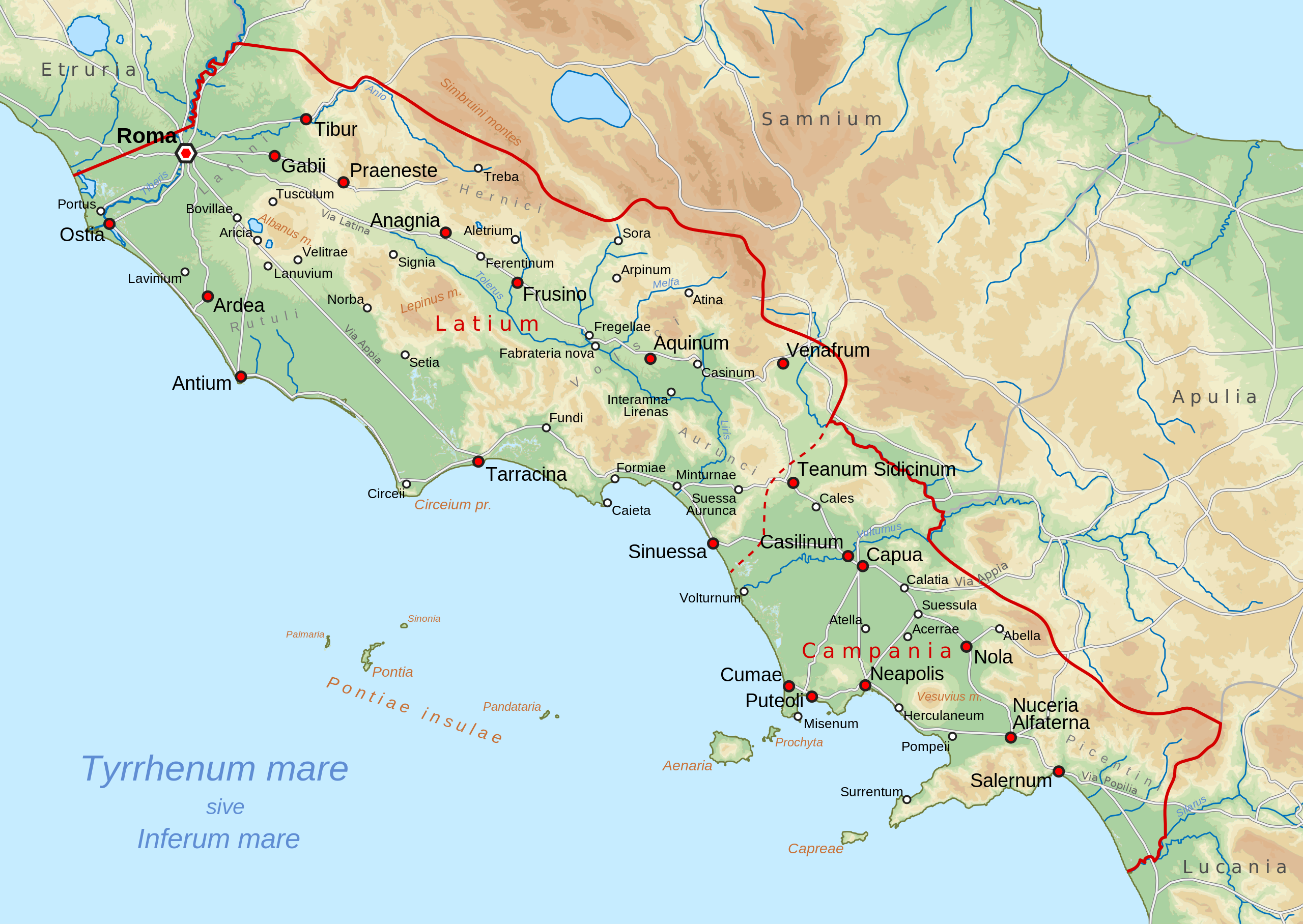
Regio I, Latium et Campania — the heartland of Roman Italy as organized under Augustus. Roma sits at the upper left, marked by the map’s hexagonal capital symbol and bold label. The accession donative this coin advertises was distributed in the city itself — congiaria were a privilege of the Roman plebs.
“Map of Augustan Regio I Latium et Campania” by Tomisti (Wikimedia Commons), File:Regio I Latium et Campania map.svg, licensed CC BY-SA 4.0; cities and roads based on the Digital Atlas of the Roman Empire (DARE) and Pleiades; topographic base © OpenMapTiles, © OpenStreetMap contributors. Reproduced unmodified.
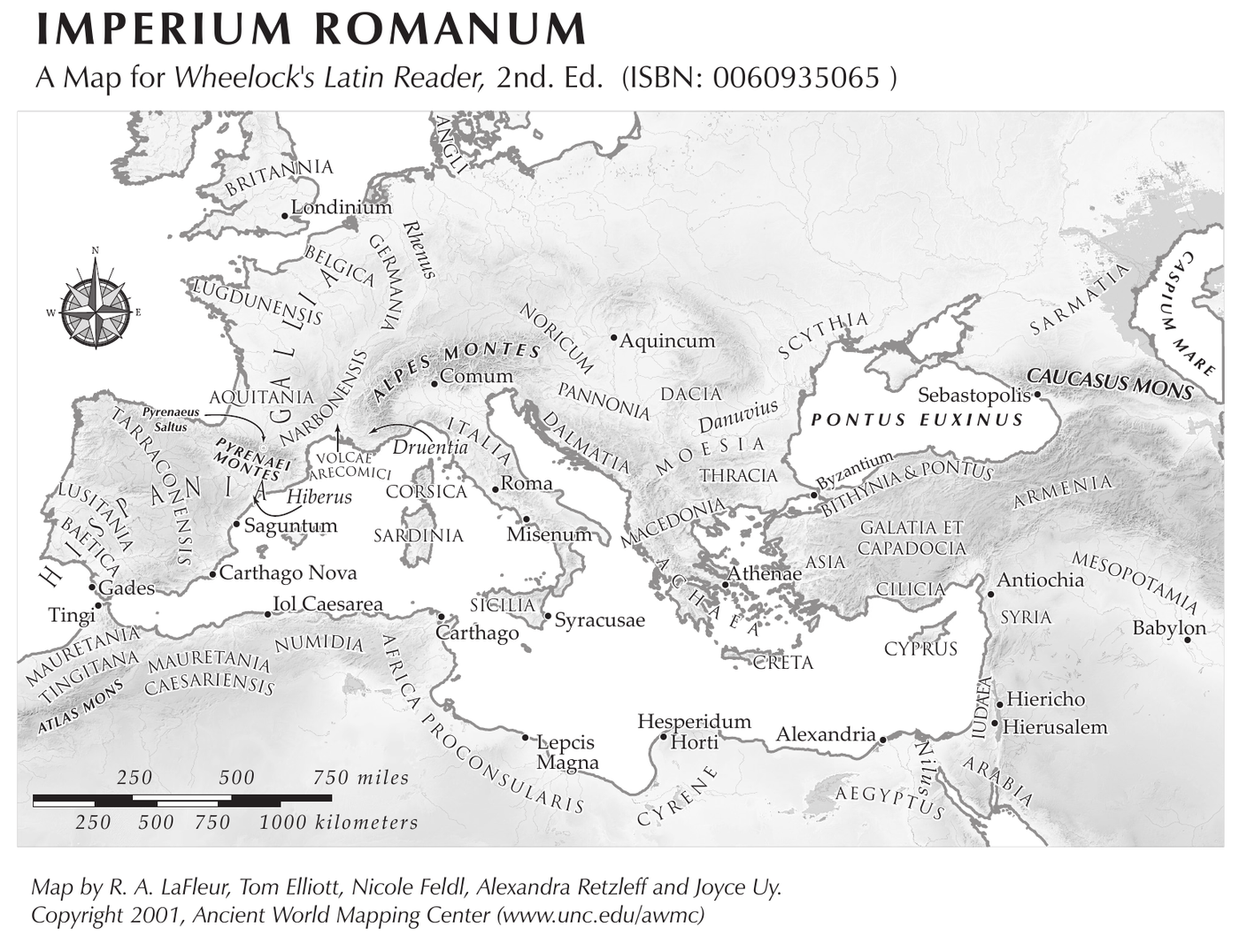
Roma sits at the center of Italia. LIBERALITAS is a distribution made in the city itself. The reign began in AD 222 with the empire drawn here intact, and ended in 235 on the German frontier with the beginning of fifty years of collapse.
In March 222 AD the praetorians murdered the teenage emperor Elagabalus, dragged his body through the streets, and threw it in the Tiber. His cousin Severus Alexander — thirteen years old, carefully groomed for the moment by his grandmother Julia Maesa and mother Julia Mamaea — was proclaimed the same day. A new reign traditionally opened with a congiarium, a cash distribution to the people of Rome, and the mint advertised it at once: LIBERALITAS AVG, the personified Generosity of the emperor, holding the tools of the dole — the abacus, a counting board marked with pellets for tallying recipients (unusually crisp on the collection’s specimen), and the cornucopia it promised to pour out.
Graphic: JSB Coins (CC0).
For Alexander’s regime the message carried extra weight. After four years of Elagabalus’ scandals, the new government — in practice Mamaea’s — needed to re-purchase the goodwill of the plebs and the soldiers and to advertise a return to traditional, open-handed, senatorial-style rule. The liberalitas of 222 was the first of five such distributions across the thirteen-year reign, each duly numbered on the coinage (AVG II through V); the unnumbered first issue, RIC 148, is the accession piece. The reign it opened was the Severan dynasty’s long, quiet epilogue — and its end in 235, when the Rhine army killed Alexander and his mother, opened the half-century military anarchy in which the denarius itself, the denomination in hand here, effectively died.
Liberalitas types are a small course in Roman fiscal theater: the emperor’s personal virtue is made a goddess, and the accounting equipment of a public handout becomes her divine attribute. The abacus (some scholars read the board’s pellets as a tessera, the token exchanged for the dole — the identification of the object has been debated in the literature) appears on liberalitas coinage from Hadrian to the third century with remarkable consistency. This issue’s silver is the improved post-Elagabalus standard — Alexander’s early denarii run noticeably better in weight and fineness than his cousin’s (Butcher and Ponting, The Metallurgy of Roman Silver Coinage, 2014) — one more way the new regime distinguished itself from the old. The new regime was his grandmother’s work; see the Pudicitia denarius of Julia Maesa, struck in the very months she was preparing to replace one grandson with the other.
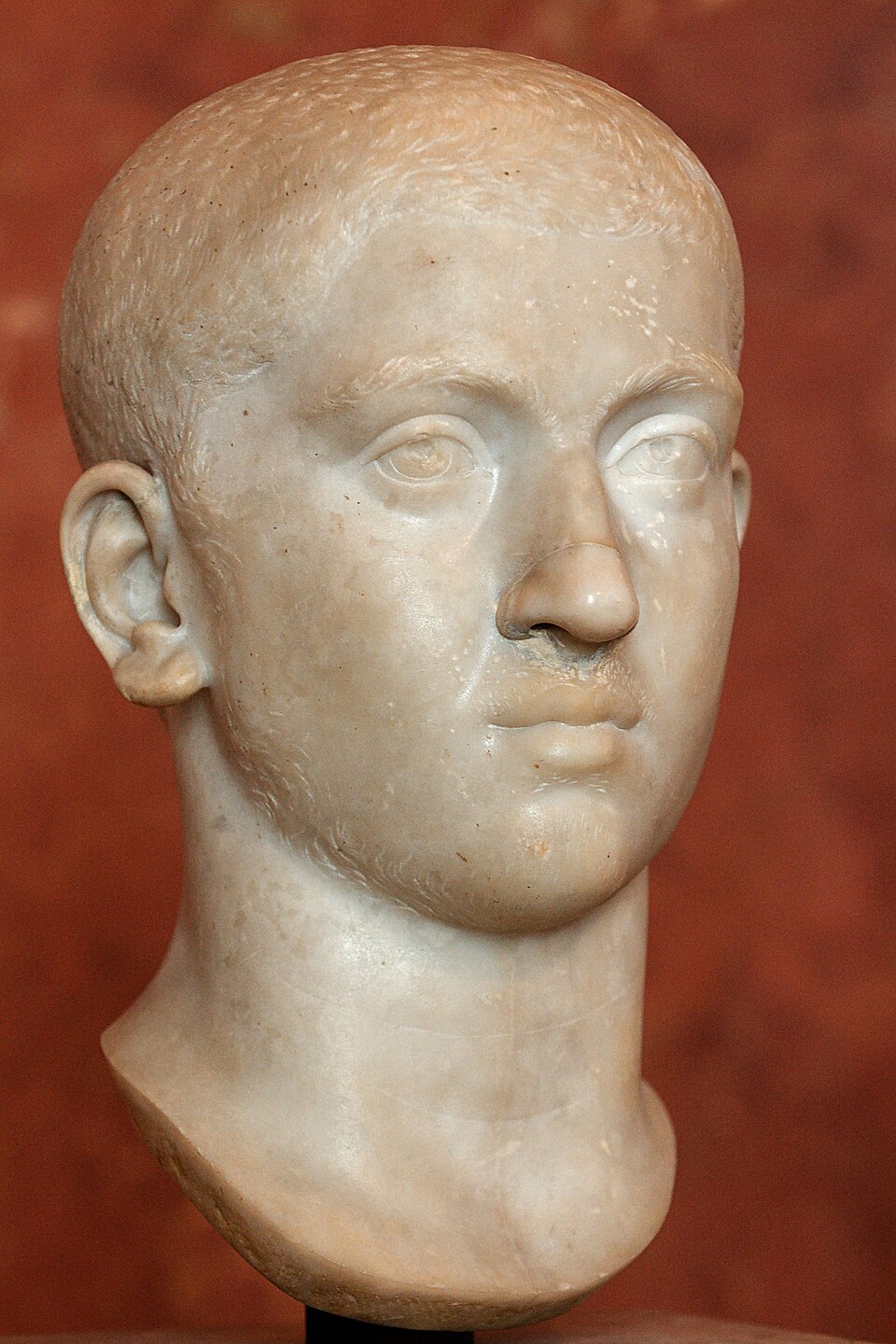
Photo: Marie-Lan Nguyen, Wikimedia Commons, licensed CC BY 2.5, reproduced unmodified.
Attribution: RIC IV 148; RSC 108 — see the WildWinds Severus Alexander index, which also records the Antioch parallel (RIC 281); Zauche’s tag cites Sear 2213 (older edition). The accession of 222 and Mamaea’s regency: Herodian 6.1; Cassius Dio 80 — both now linked in the references. On liberalitas scenes and the abacus/tessera question, D. van Berchem, Les distributions de blé et d’argent à la plèbe romaine sous l’empire (1939) is the classic study. Silver standards: K. Butcher and M. Ponting, The Metallurgy of Roman Silver Coinage (2014).
LIBERALITAS AVG without a numeral is the first-congiarium issue, tied to the accession donative of 222 AD (the later distributions are numbered AVG II through V). RIC 148 is the Rome issue; RIC 281 is an Antioch-mint parallel with identical legends distinguished by style — this catalogue follows the Rome attribution, flagged for style review (see specimen open threads). The long IMP C M AVR SEV ALEXAND AVG obverse legend belongs to the reign's first years (222–228).
John's Ancient Coin Collection · Type · severus-alexander-liberalitas-denarius
Image credits for this coin — photographs, maps and graphics used on this page