Type · kyzikos-boar-lion-hemiobol
Current: Mysia, Kyzikos, AR hemiobol, c. 525–475 BC (dealer's tag, citing SNG France 378; the retrograde-K variety is elsewhere catalogued as Von Fritze II 13 / SNG France 386, c. 450–400 BC)
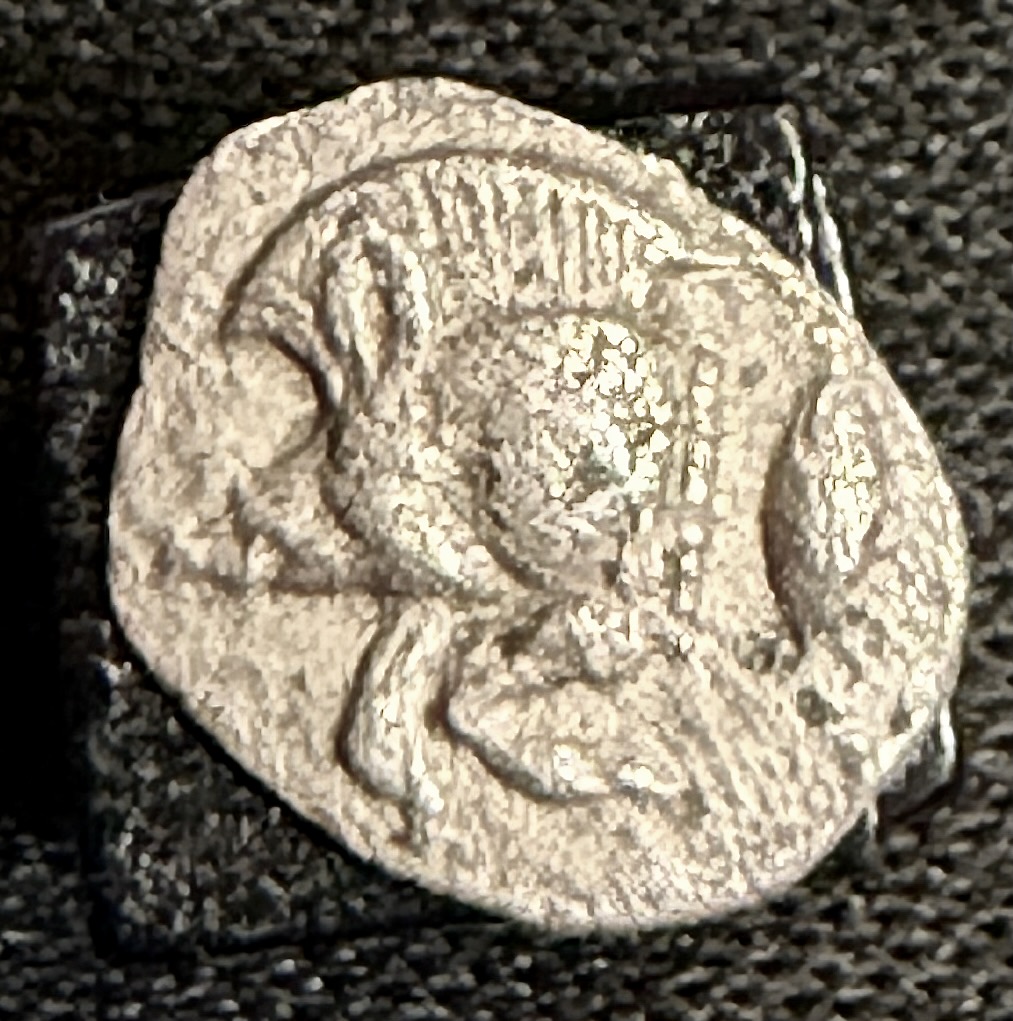
Obverse: Forepart of running boar left, retrograde K on shoulder; tunny fish upward behind
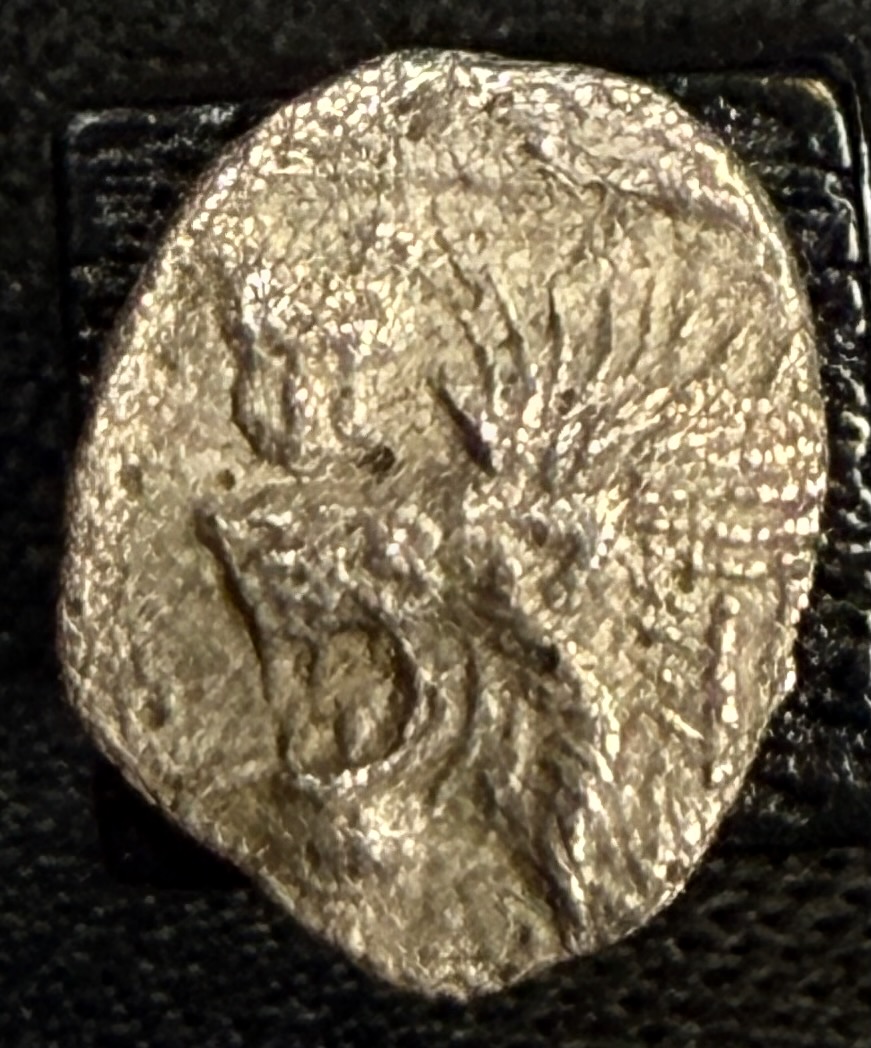
Reverse: Head of roaring lion left; small facing feline head (a lioness or panther) above; all in shallow incuse square
Primary reference: SNG France 378 (tag)
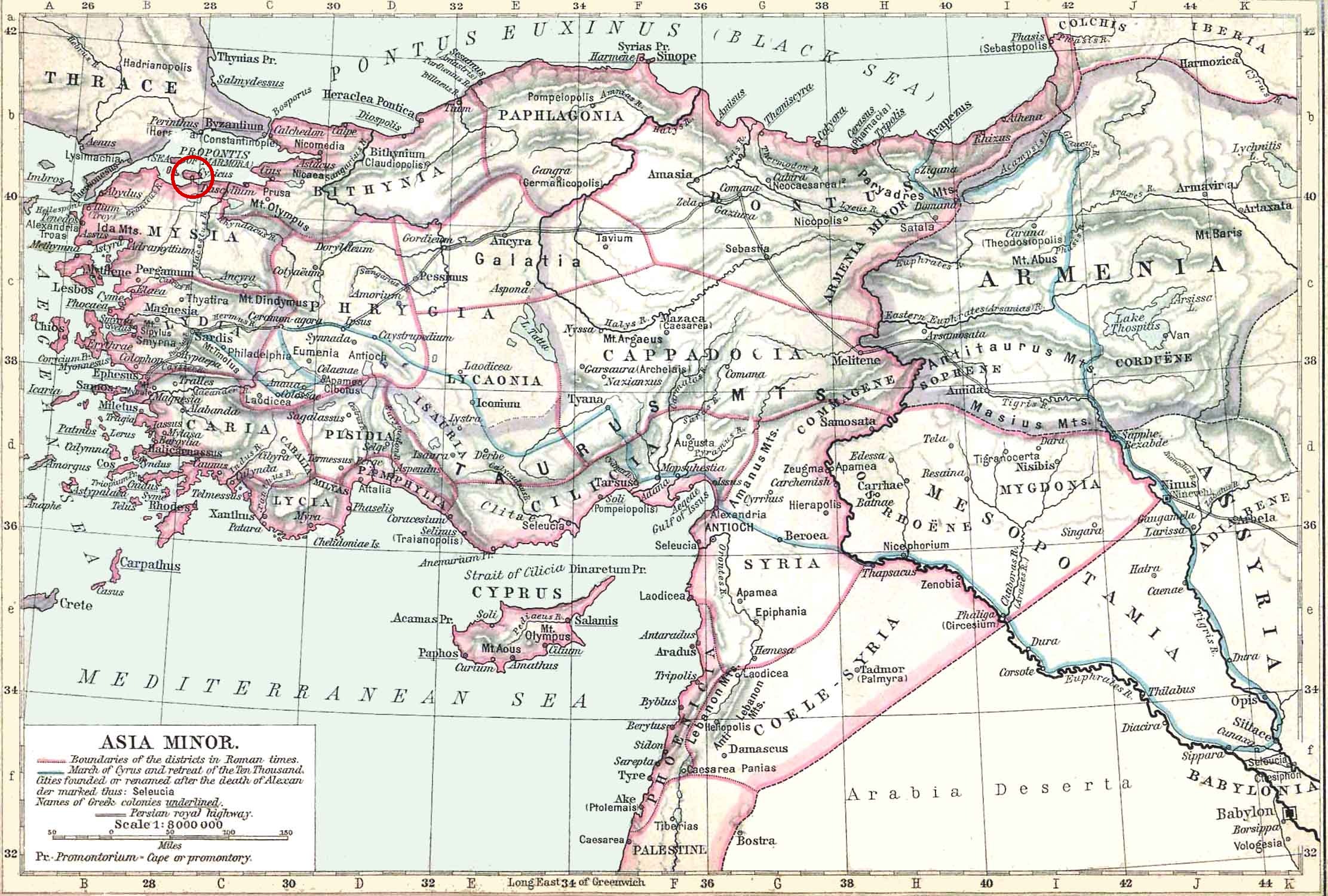
Ancient Asia Minor on Shepherd’s 1923 map. Cyzicus — circled in red — on its peninsula jutting into the Propontis (Sea of Marmara), on the coast of Mysia, with the Hellespont to the west: the choke-point geography that made the city rich and its tunny-fish badge famous. The same base map, with the same circle, serves this collection’s Kyzikene electrum hekte.
“Asia Minor under the Greeks and Romans” from William R. Shepherd, The Historical Atlas (1923), via Wikimedia Commons, File:Asia minor-Shepherd 1923.JPG (https://commons.wikimedia.org/wiki/File:Asia_minor-Shepherd_1923.JPG). Public domain (author died 1934); credited as a courtesy. Modified by JSB Coins: a red circle added to mark Cyzicus (the same marked copy used for the collection’s Kyzikos electrum hekte).
At under half a gram, this is among the smallest coins the Greek world used — a silver hemiobol of Kyzikos, the great harbor city on the Propontis, worth a twelfth of a drachm: a unit for the market stall, not the merchant fleet. Its types are nonetheless full civic heraldry. The boar forepart with a retrograde Κ punched on its shoulder — the city’s initial — charges left with the tunny fish, badge of Kyzikos, swimming up behind it; the reverse answers with a lion’s head, jaws open, a tiny facing feline face tucked above it, the whole set in the shallow incuse square of the archaic tradition.
Kyzikos, a Milesian foundation on the isthmus of the Arktonnesos peninsula, controlled the sea lane between the Aegean and the Black Sea, and the seasonal runs of tunny through the Propontis were both a staple of its economy and the badge of its money. The tunny appears on everything the city struck: it is the constant of the famous electrum staters and hektai (an electrum hekte of Kyzikos is in this collection) and it swims on the smallest silver, as here. The electrum bought ships’ cargoes and paid mercenaries; fractions like this hemiobol made the city’s daily economy run — the two ends of one of the ancient world’s great monetary systems.
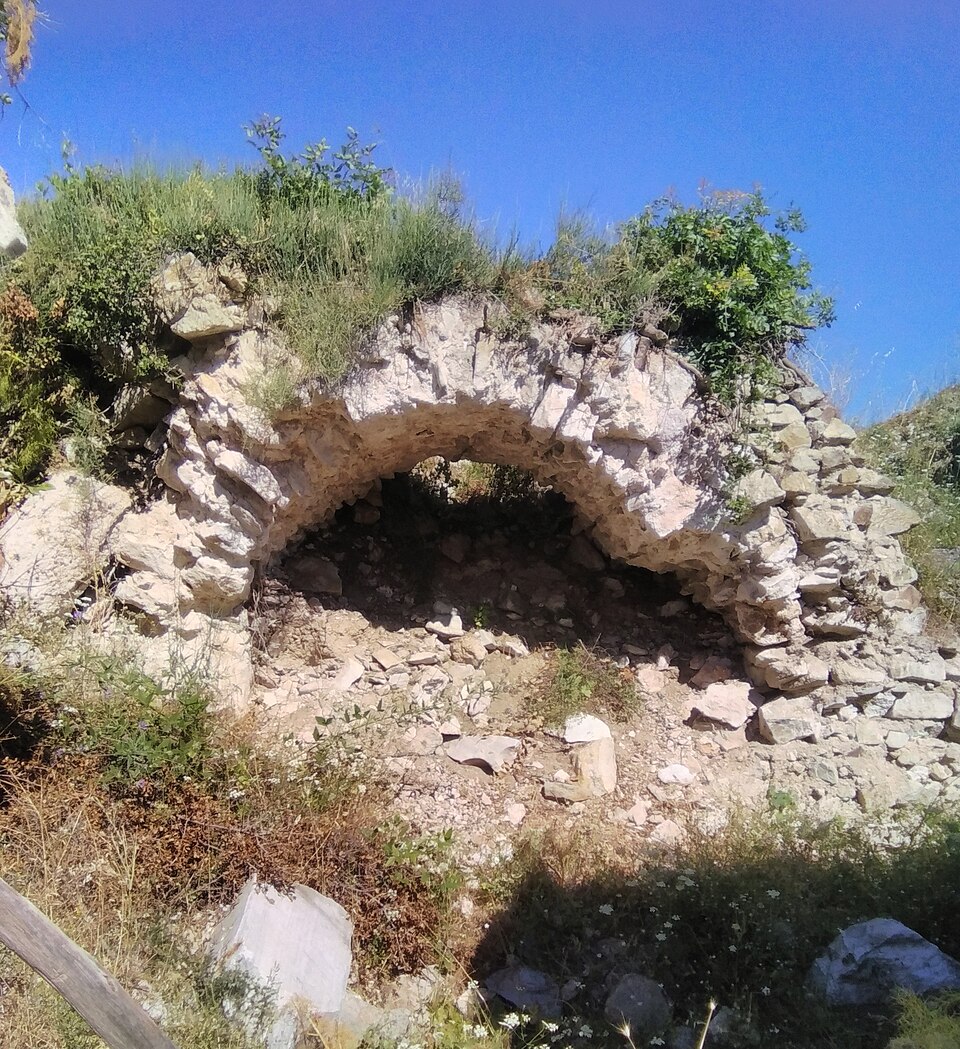
Photo: Kızıldeniz, Wikimedia Commons, licensed CC BY-SA 4.0, reproduced unmodified.
The dealer’s slip attributes the coin to SNG France 378 and dates it c. 525–475 BC. The exact variety — retrograde K on the boar’s shoulder, the small facing feline head (called a lioness on the tag, a panther in some catalogues) above the lion — is elsewhere catalogued as Von Fritze II 13 / SNG France 386 and generally dated c. 450–400 BC. Kyzikos struck these boar/lion fractions in long series across the late archaic and classical periods, and the varieties differ only in small control elements, so both attributions describe the same coinage tradition; the reconciliation (and the century of difference it carries) is left open here pending a check against the SNG France plates. Von Fritze’s corpus of the Kyzikene silver (Nomisma IX, 1914) remains the framework for the series.
A hemiobol answered the problem that made Greek small change famous: how to pay for bread, a ferry, a day’s greens, in full-value silver. Coins this small were struck by the tens of thousands, carried in the cheek (Aristophanes jokes about it), lost constantly, and rarely collected carefully — which is why crisp examples of the tiny fractions are scarcer than their mintages suggest. Alongside the international electrum of the same mint, the hemiobol shows a single city running a complete monetary economy from stater to obol-fraction. The mint outlived the city’s independence by the better part of a millennium: the collection’s Honorius maiorina was struck at this same Cyzicus, signed SMK, around 400 AD.
Attribution: the Ancient Imports (Marc Breitsprecher) database slip, citing SNG France 378, 525–475 BC; the variety as catalogued elsewhere: Von Fritze II 13 / SNG France 386 (c. 450–400 BC) — the discrepancy is noted above and in the open threads. Corpus: H. von Fritze, “Die antiken Münzen von Kyzikos,” Nomisma IX (1914). For the city, its tunny badge, and its electrum system, see the sources on this collection’s Kyzikos hekte page.
Tiny archaic-standard silver fraction (this specimen 0.34 g per the tag; the type runs c. 0.2–0.4 g). Attribution nuances: the tag cites SNG France 378 with a 525–475 BC date; most listings of this exact variety — retrograde K on the boar's shoulder, small facing feline head above the lion — cite SNG France 386 / Von Fritze II 13 and date it c. 450–400 BC. Reconciling the SNG number and the date range against the plates is an open thread. The tag's stated size (19.29 mm) is a database error — hemiobols of this weight are c. 8–10 mm.
John's Ancient Coin Collection · Type · kyzikos-boar-lion-hemiobol
Image credits for this coin — photographs, maps and graphics used on this page