Type · aurelian-restitut-orbis-antoninianus
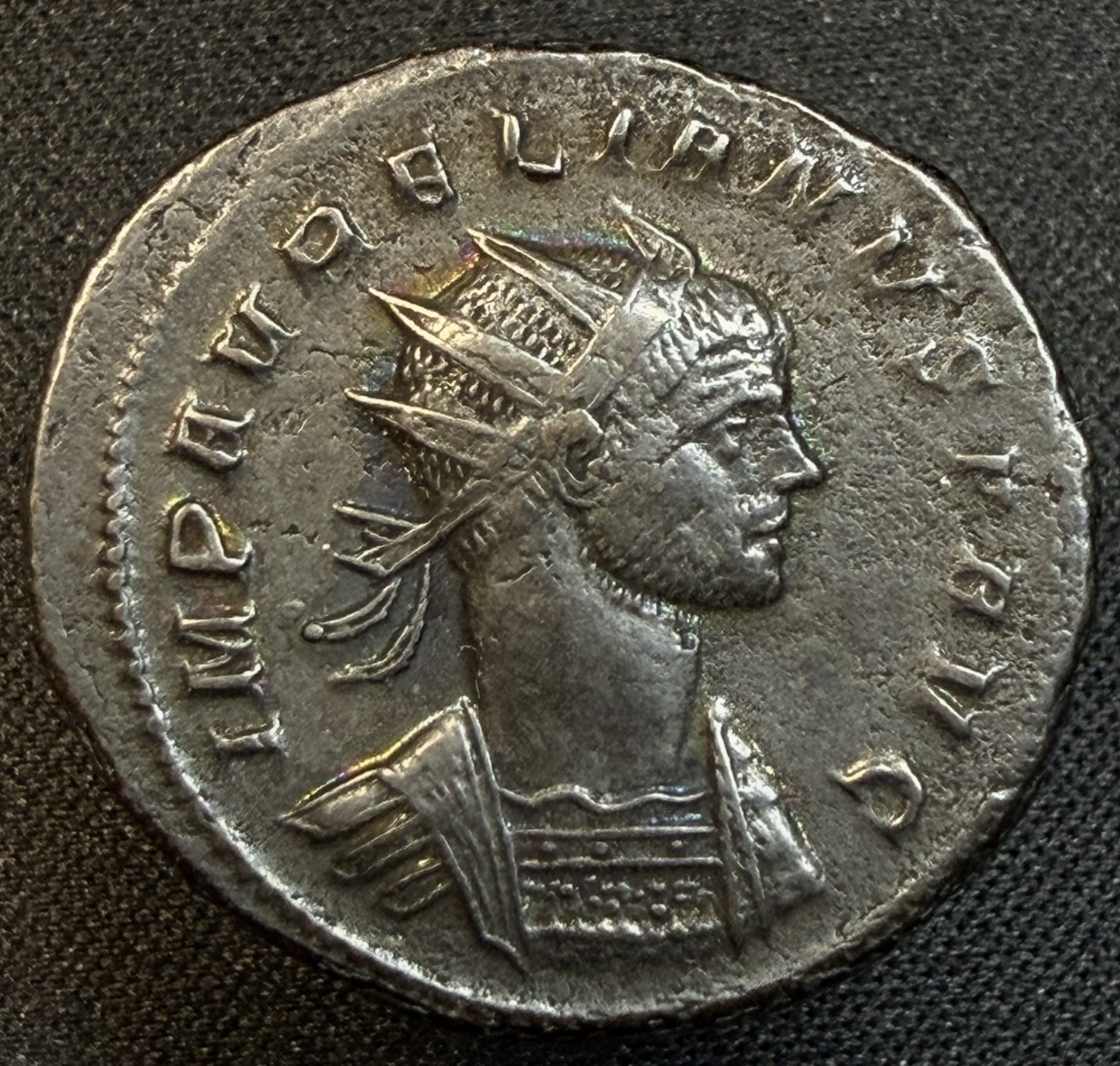
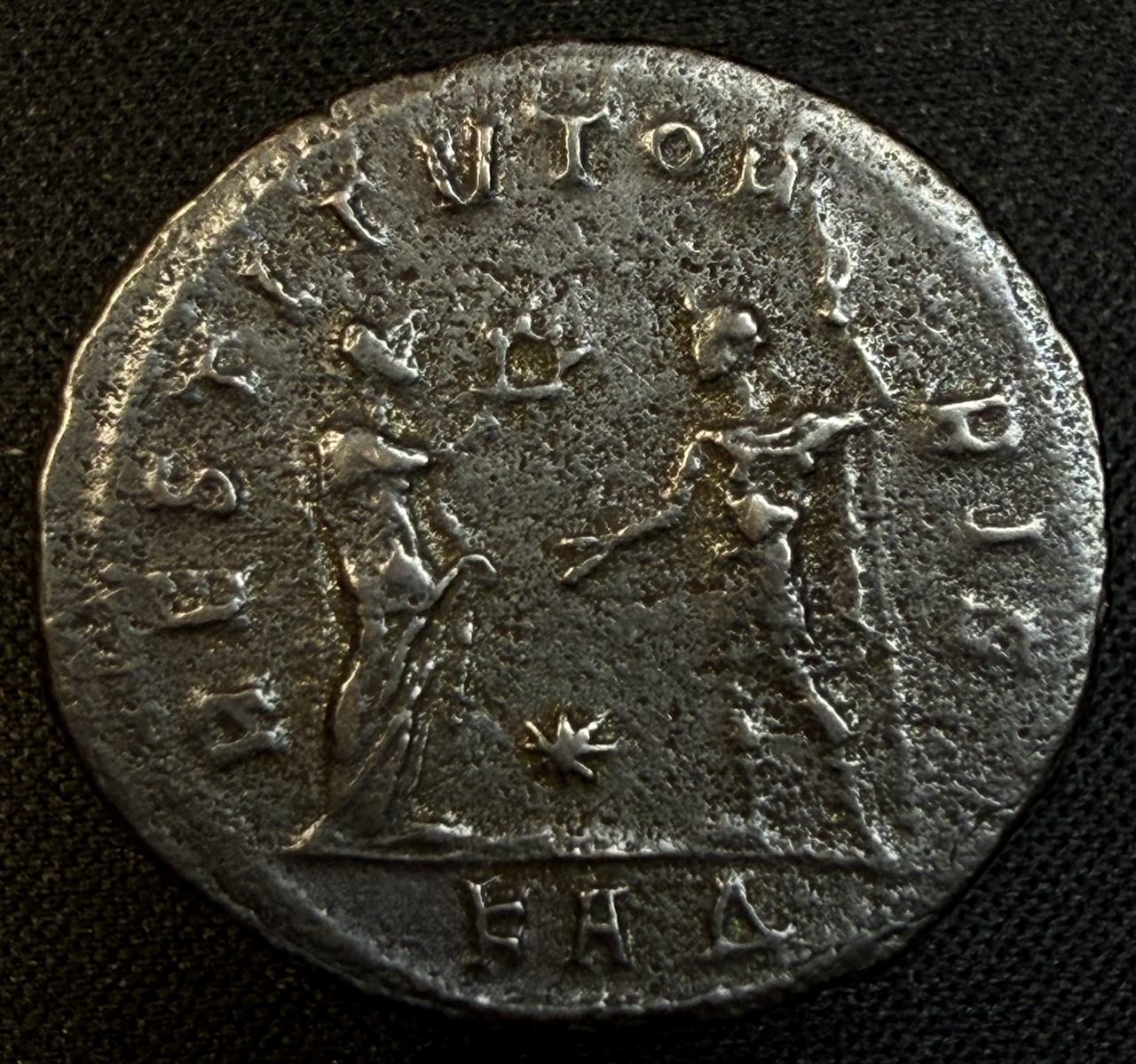
Current: Roman Imperial, Aurelian, silvered antoninianus, Serdica, Nov 274 – Sep 275 AD (MER-RIC 2808; Göbl MIR 261p4)
Obverse: Radiate and cuirassed bust of Aurelian right
Reverse: Female figure standing right, presenting wreath to Aurelian standing left in military dress, holding long sceptre in left hand; star between them; KA•Δ• in exergue
Primary reference: MER-RIC 2808
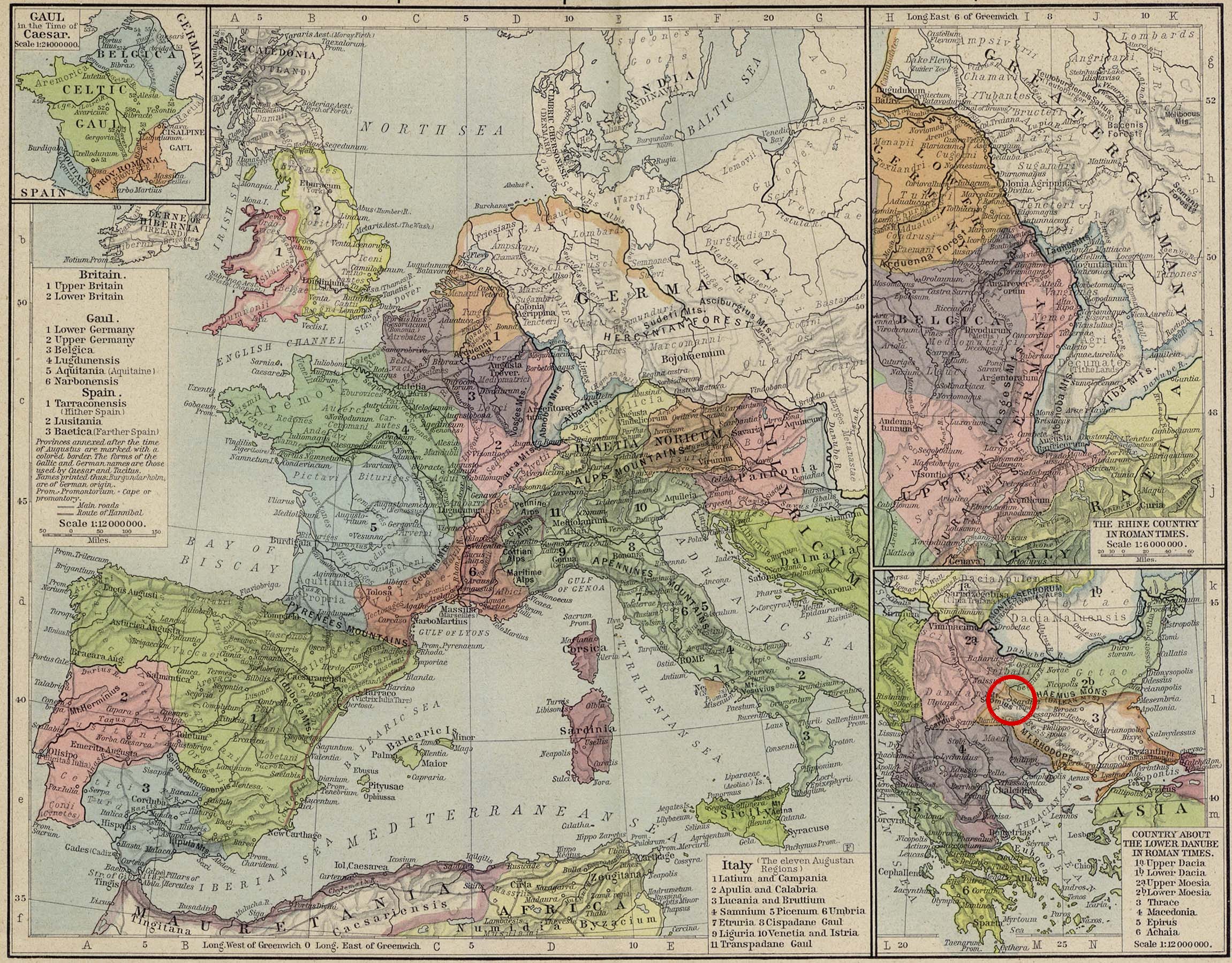
The country about the lower Danube in Roman times (inset of Shepherd’s reference map of the European provinces). Serdica — circled in red, labeled Sardica (Ulpia) — sits in the upland pass country of inland Thrace, on the military road between the Danube armies and the East; the modern city on the site is Sofia. Aurelian’s own birthplace was in this map’s world, and Serdica was one of his principal mints.
“Reference Map of the European Provinces of the Roman Empire” by William R. Shepherd, Historical Atlas (Henry Holt & Co., 1926 printing), public domain; via Wikimedia Commons, File:European Provinces of the Roman Empire.jpg (scan via the Perry-Castañeda Library, University of Texas). Red circle added to mark Serdica.
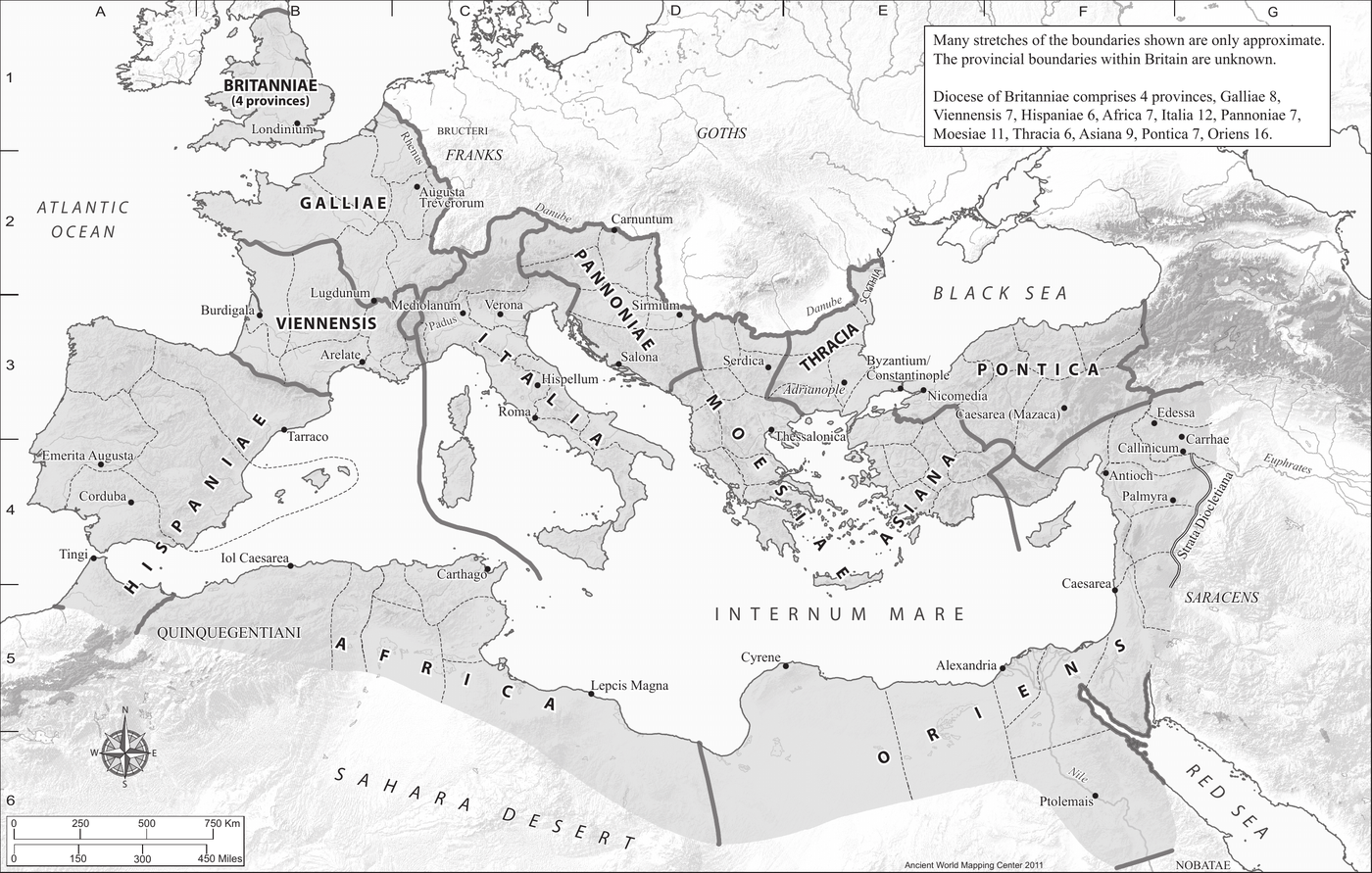
Serdica, in the Thracian diocese, is where this antoninianus was struck. The map shows the empire a generation after Aurelian, under the settlement his reunification made possible: the provincial structure is Diocletian’s, but the thing it governs is the world Aurelian put back together, which is exactly what RESTITVTOR ORBIS claims.
Ancient World Mapping Center, University of North Carolina at Chapel Hill (2011). Trimmed to the plate; licensed CC BY-SA 4.0, via Wikimedia Commons.
No Roman emperor earned a coin legend more literally. When Aurelian took the throne in 270 AD the empire was in pieces: the Gallic provinces under a separatist regime, the East ruled from Palmyra by Zenobia, the Danube frontier broken, Italy itself invaded. In five years of continuous campaigning he defeated the Goths, destroyed Palmyrene power in two campaigns (272–273), recovered the Gallic empire at Châlons (274), walled Rome — the Aurelian Walls still stand — and celebrated a triumph with Zenobia in golden chains. The Senate’s title on this reverse, RESTITVT(or) ORBIS, “restorer of the world,” was for once a statement of fact: a female figure (Orbis herself, or the provinces personified) hands the emperor in military dress the wreath of victory.
No securely identified sculpture of Aurelian survives — a soldier-emperor of five years’ reign, murdered abroad, left no Prima Porta — which gives his coinage a distinction most reigns lack: the radiate head on this antoninianus is, in effect, Aurelian’s portrait, the only image of the restorer of the world made from life that we can put a name to with confidence.
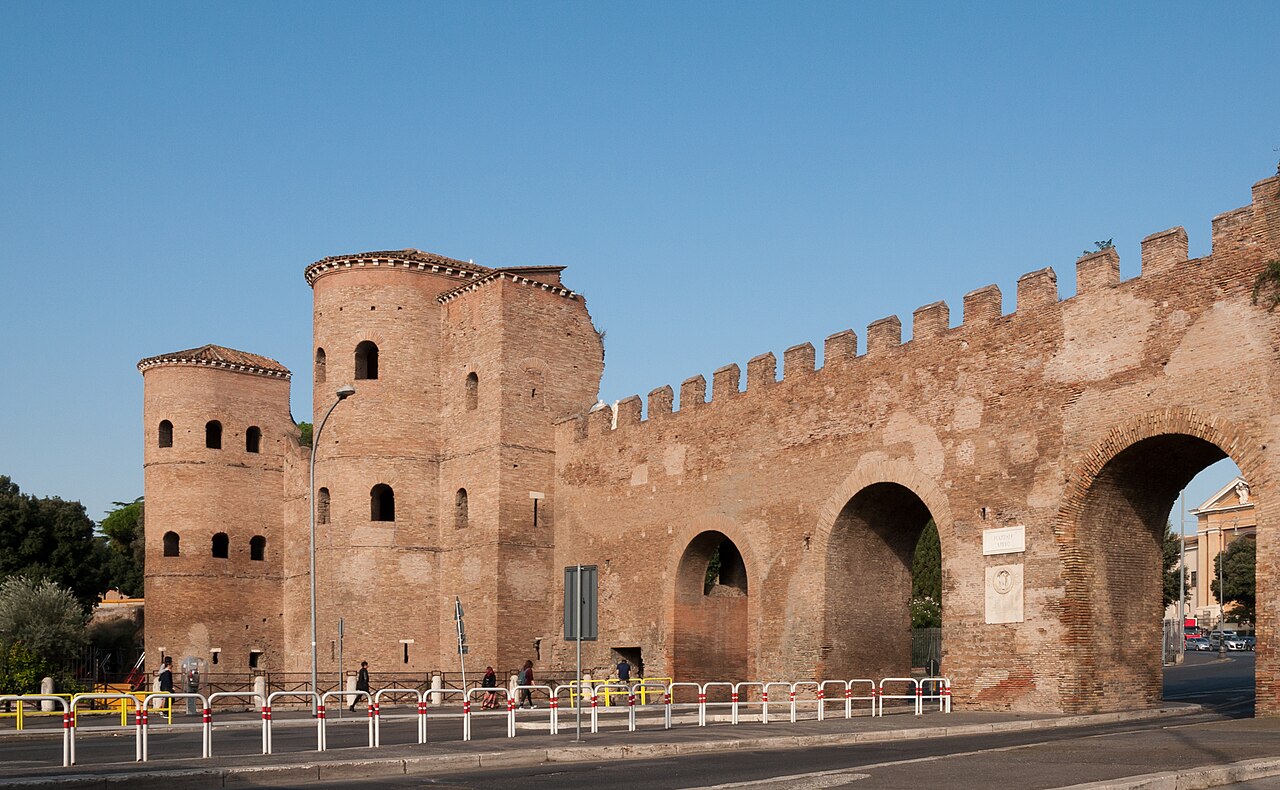
Photo: MrPanyGoff, Wikimedia Commons, licensed CC BY-SA 4.0, reproduced unmodified.
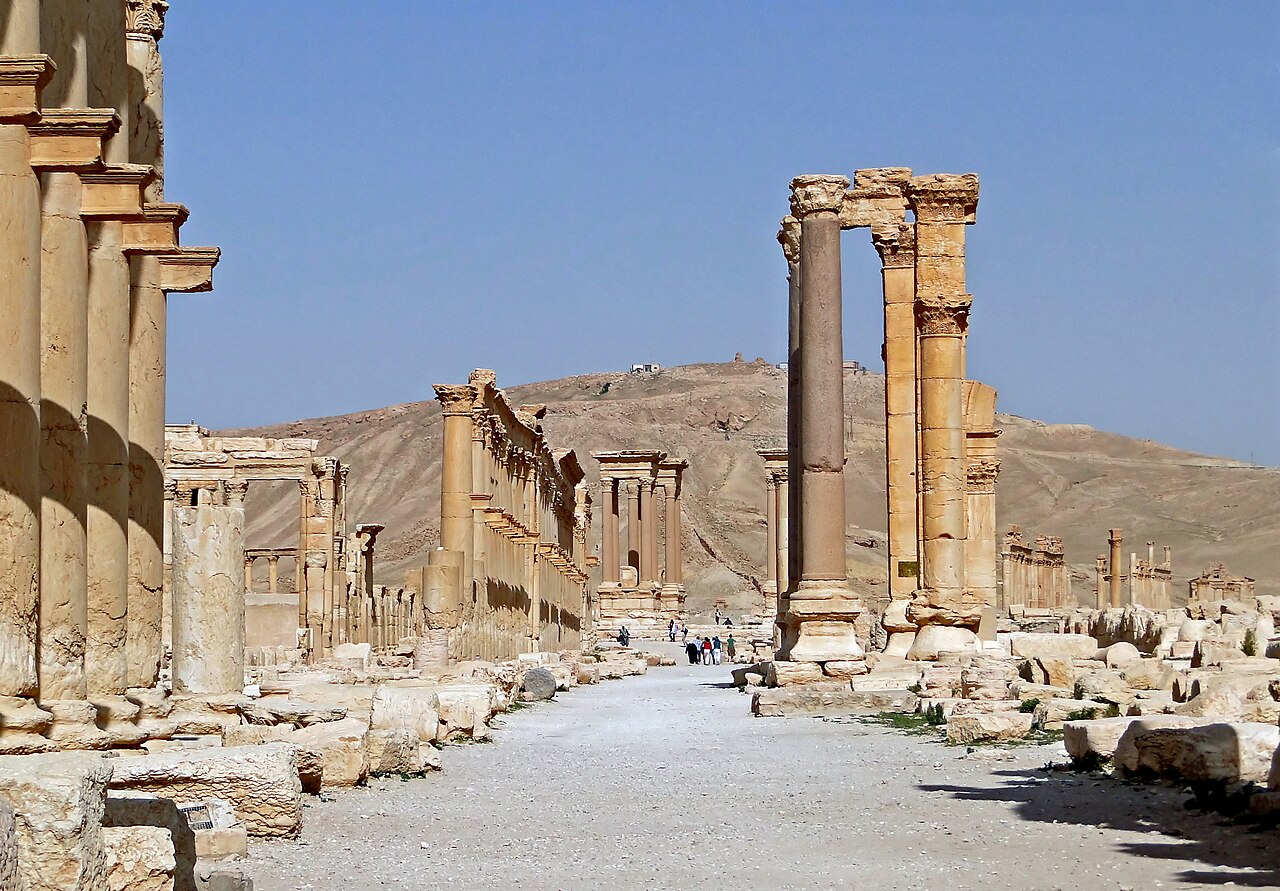
Photo: Bernard Gagnon, Wikimedia Commons, licensed CC BY-SA 3.0, reproduced unmodified.
This antoninianus is also a document of the empire’s other great repair job: the currency. The radiate double-denarius had collapsed to a scrap of copper with a wash of silver (compare the Gordian III antoninianus of thirty years earlier, still visibly silver); in 274 Aurelian reformed it — heavier flans, a guaranteed 5% silvering marked XXI on many issues, and mint administration tightened empire-wide. This coin belongs to the reformed coinage’s first year at Serdica in inland Thrace, an Aurelianic favorite (the emperor was born in the region), its officina signed in Greek numerals: KA•Δ•, fourth workshop. Within the year he was dead anyway — murdered in September 275 by officers deceived by a secretary’s forged execution list, en route to a Persian war.
Graphic: JSB Coins, 2026 (CC0).
Forum’s tag flags the coin as very rare, and the modern reference bears it out: the obverse–reverse pairing is unlisted in RIC V (which has the type only with other legend combinations, cf. 297–298), absent from the Paris collection (BnF XII), and recorded as MER-RIC 2808 — the CNRS online corpus that has replaced RIC V for Aurelian — with six specimens cited from Vienna, Milan, Zagreb and trade. Göbl’s die-structured MIR 47 (261p4) is the other modern anchor. For a small bronze bought without fanfare, it is among the scarcer varieties in the collection.
Attribution: MER-RIC 2808 (Estiot’s RIC V online — record verified live, with the six cited specimens); Göbl, MIR 47, 261p4; RIC V cf. 298/297 (combination unlisted); BnF XII p. 401 (absent), all per Forum Ancient Coins’ tag. Aurelian’s reconquests and death: Zosimus 1.47–62; Historia Augusta, Aurelian (linked above; to be read with the editor’s warnings about its inventions); the currency reform: S. Estiot’s introductions to MER-RIC and BnF XII, and K. Butcher & M. Ponting on third-century silver.
Forum's tag calls the variety very rare: the obverse–reverse combination is unlisted in RIC V (cf. 298/297), absent from the BnF collection (XII p. 401), and MER-RIC 2808 cites six specimens. Struck at Serdica (KA = the mint's Greek-numeral officina system, here officina Δ = 4th, with the distinguishing pellets), issue 8 phase 2 in Estiot's arrangement — after Aurelian's coinage reform of 274 raised the antoninianus' weight and silvering. The reform coins are properly 'aureliani'; the tag's 'silvered antoninianus' is retained as the familiar name.
John's Ancient Coin Collection · Type · aurelian-restitut-orbis-antoninianus
Image credits for this coin — photographs, maps and graphics used on this page