Type · magnus-maximus-reparatio-ae2
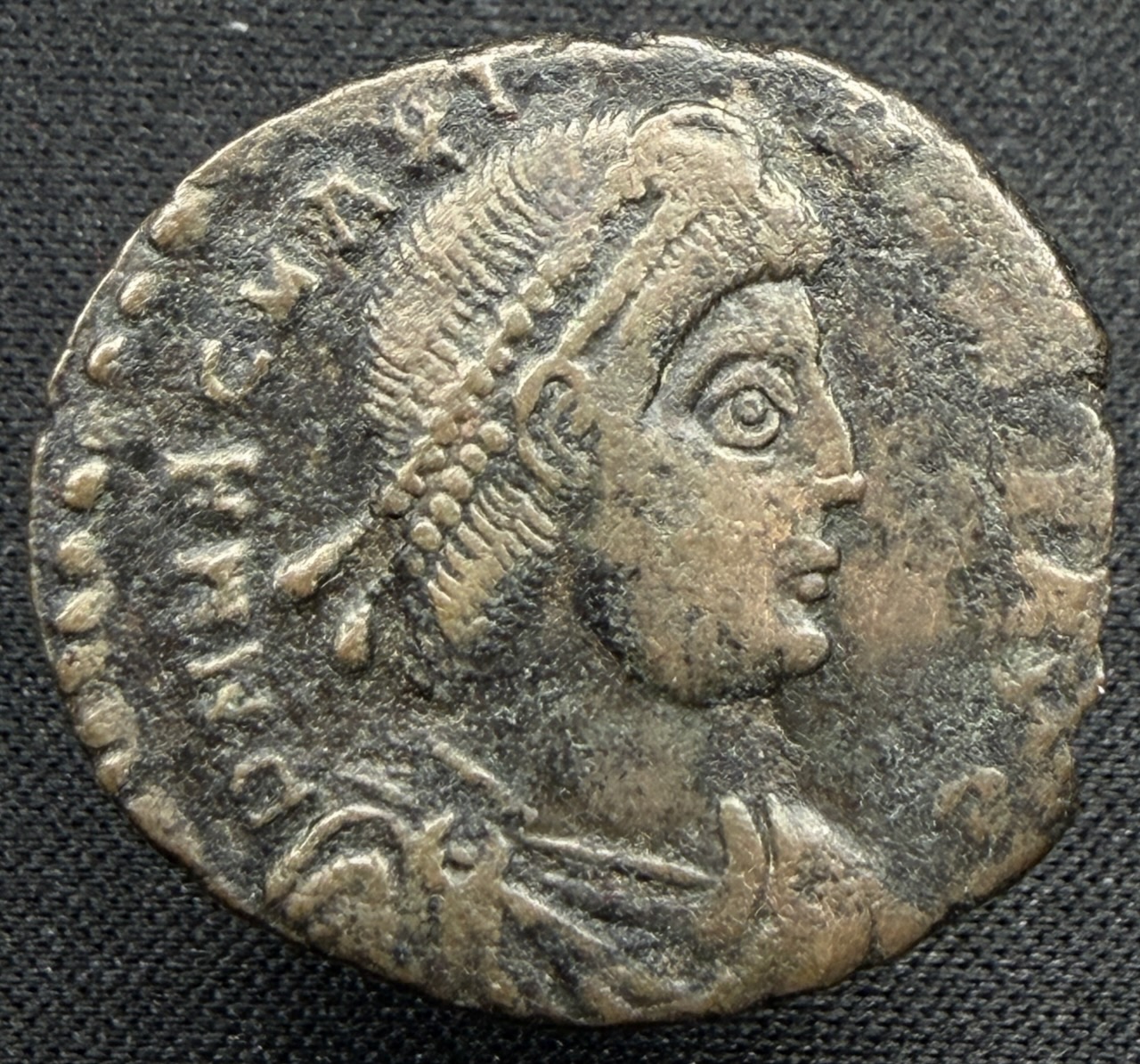
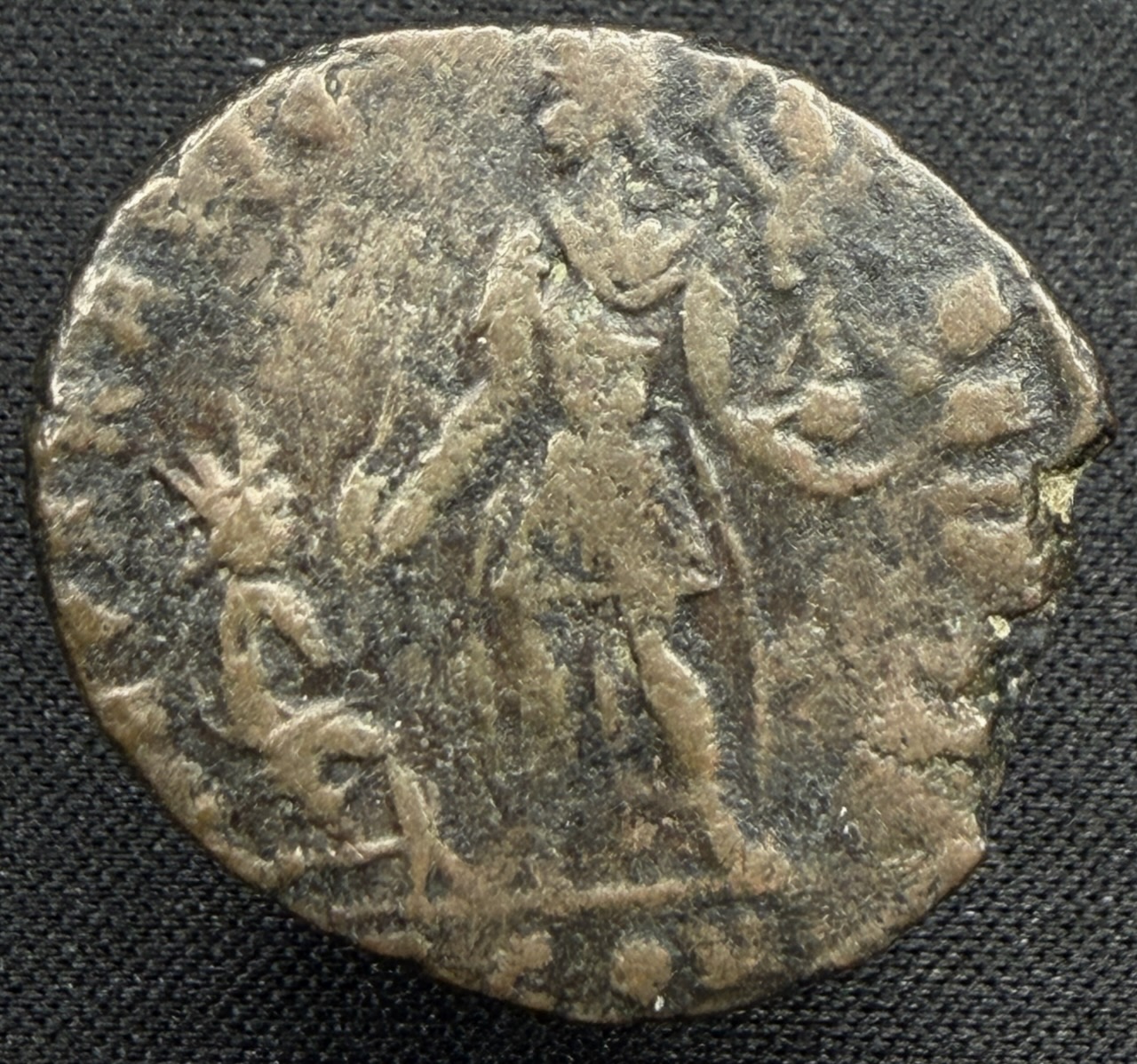
Current: Roman Imperial, Magnus Maximus, Æ2 (maiorina), Arelate (Arles, then 'Constantina'), 383–388 AD (RIC IX Arles 26a; Sear 4203)
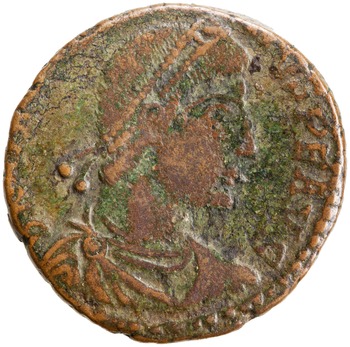
Obverse: Pearl-diademed, draped and cuirassed bust right
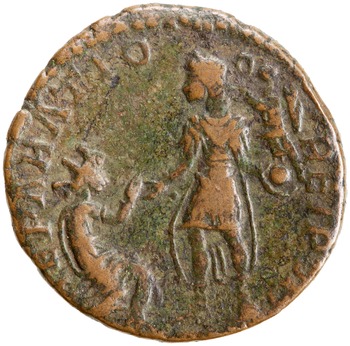
Reverse: Emperor standing left, holding Victory on globe in left hand and with right hand raising a kneeling, turreted woman (the Republic personified); PCON in exergue
Primary reference: RIC IX Arles 26a
28 specimens in public collections (British Museum 8, ANS 7, Göttingen 7, Gallo-roman Museum Tongeren 3, Freiburg 2); weights 3.16–6.11 g, median 4.85 g across 28 recorded; die axis most often 12h.
This collection's specimen, at 4.66 g (tag), is heavier than 46% of the recorded weights.
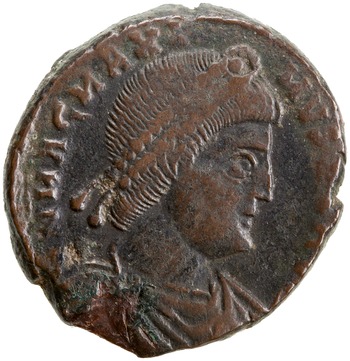
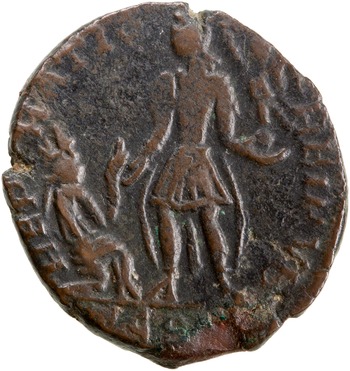
American Numismatic Society, 1944.100.25391. CC BY-NC 4.0. https://numismatics.org/collection/1944.100.25391
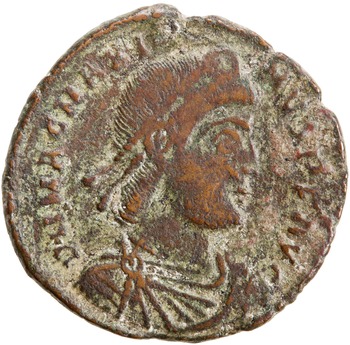
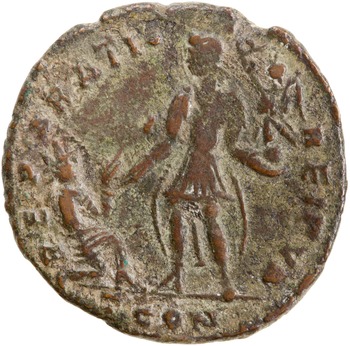
American Numismatic Society, 1944.100.25392. CC BY-NC 4.0. https://numismatics.org/collection/1944.100.25392
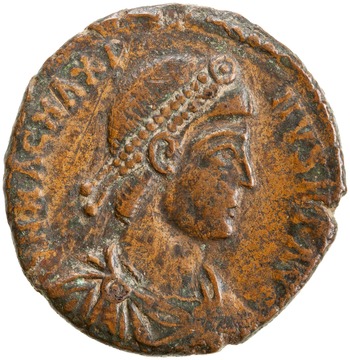
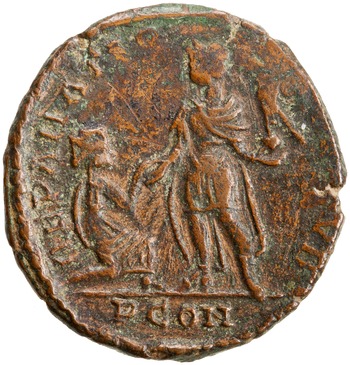
American Numismatic Society, 1944.100.25393. CC BY-NC 4.0. https://numismatics.org/collection/1944.100.25393
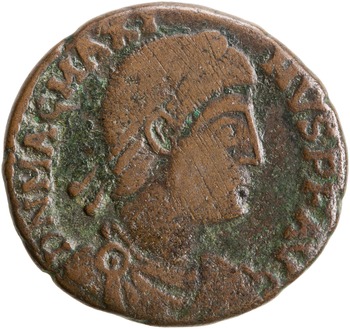
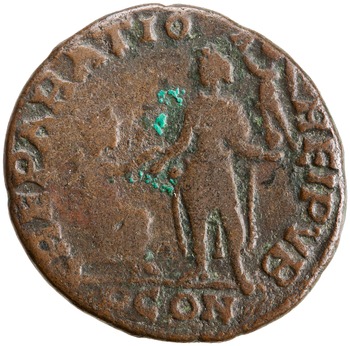
American Numismatic Society, 1944.100.25394. CC BY-NC 4.0. https://numismatics.org/collection/1944.100.25394
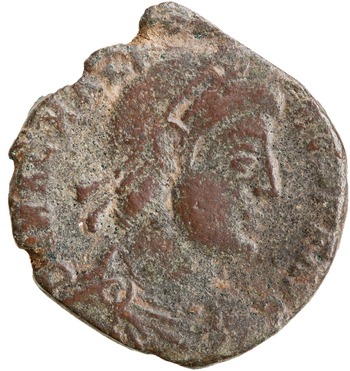
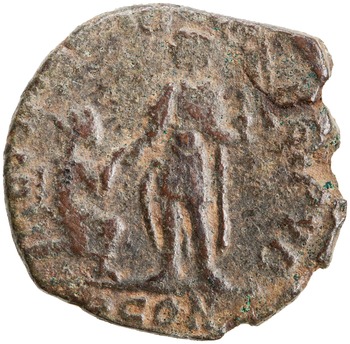
American Numismatic Society, 1944.100.25395. CC BY-NC 4.0. https://numismatics.org/collection/1944.100.25395
American Numismatic Society, 1944.100.25396. CC BY-NC 4.0. https://numismatics.org/collection/1944.100.25396
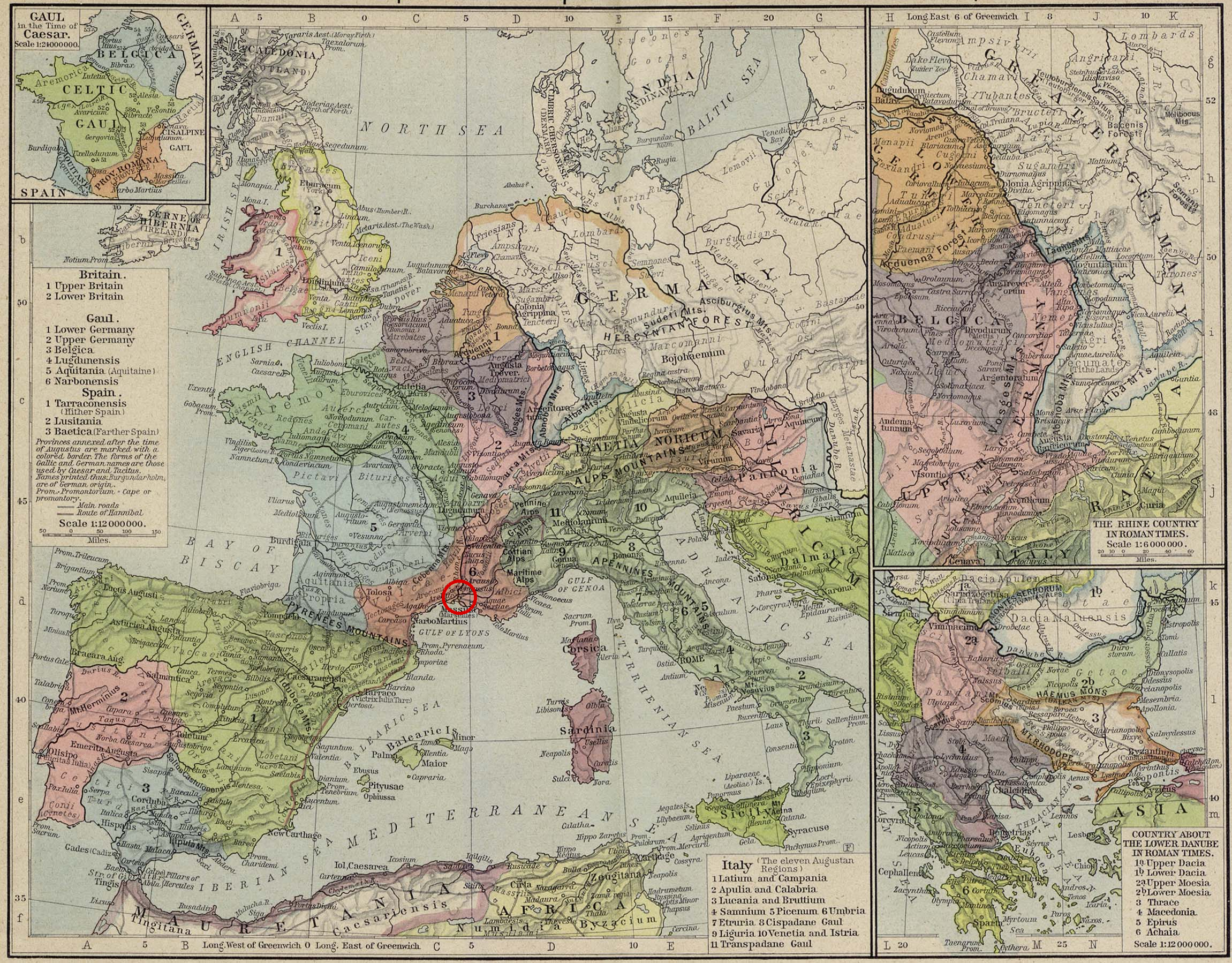
The European provinces of the Roman Empire (Shepherd’s reference map). Arelate (Arles) — circled in red — sits at the head of the Rhône delta in Gallia Narbonensis, with Nemausus just inland and Massilia down the coast. Renamed Constantina in the fourth century (the PCON mintmark), it was Magnus Maximus’ capital and mint.
“Reference Map of the European Provinces of the Roman Empire” by William R. Shepherd, Historical Atlas (Henry Holt & Co., 1926 printing), public domain; via Wikimedia Commons, File:European Provinces of the Roman Empire.jpg (scan via the Perry-Castañeda Library, University of Texas). Red circle added to mark Arelate.
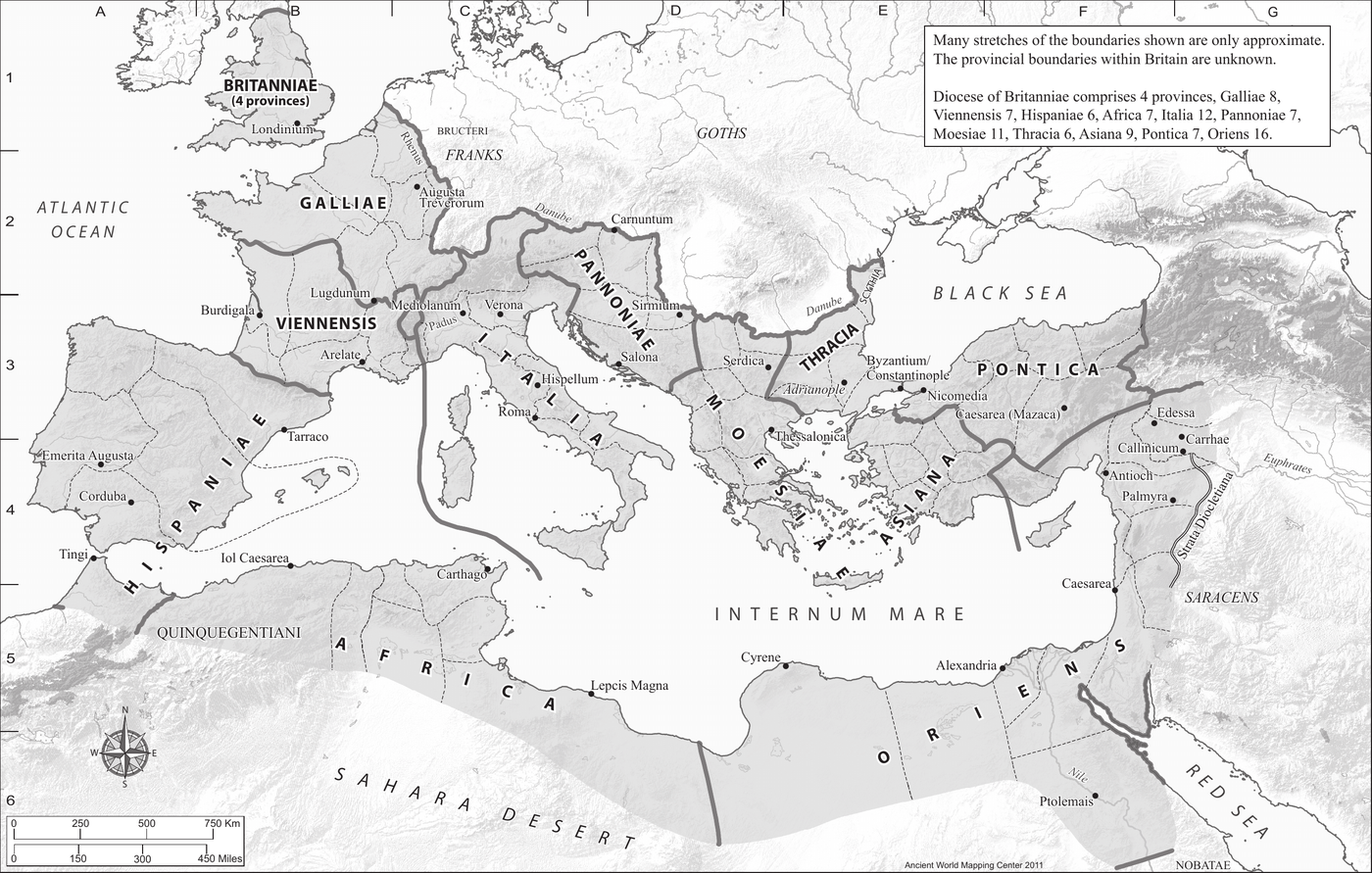
Arelate — Arles, on the Rhône delta — is this coin’s mint, in the Viennensis diocese. Magnus Maximus was proclaimed in Britain and ruled from Gaul, and the stretch of empire he actually held runs from Londinium at the top left down to Arelate on the Mediterranean coast.
Ancient World Mapping Center, University of North Carolina at Chapel Hill (2011). Trimmed to the plate; licensed CC BY-SA 4.0, via Wikimedia Commons.
Magnus Maximus is the emperor Rome tried to forget and Britain turned into legend. A Spanish soldier who commanded the army of Britain, he was proclaimed Augustus by his troops in 383 AD, crossed to Gaul, and defeated and killed the young emperor Gratian near Lugdunum. For five years he ruled Britain, Gaul, Spain and Africa from Arles — this coin’s mint — as a de facto colleague whom Theodosius I recognized while preparing to destroy him. (The Theodosian house he fell to is in this collection too: the Cyzicus maiorina of Honorius, struck within five years of Maximus’ end.) In 387 Maximus invaded Italy and drove out Valentinian II; in 388 Theodosius marched west, beat his armies at Save and Poetovio, and had him executed at Aquileia. Welsh tradition remembered him for centuries as Macsen Wledig, the emperor who married a British princess in his dream.
Graphic: JSB Coins (CC0).
The reverse is late imperial propaganda at its most concise. The emperor stands holding Victory on a globe and reaches down to raise a kneeling, turret-crowned woman — the Res Publica herself — back to her feet: REPARATIO REIPVB, “the restoration of the state.” Every western ruler of the 380s struck this same big-module bronze (the Æ2 or maiorina), Gratian and Valentinian II included, so Maximus was quite literally minting the promise of the men he overthrew, with only the portrait and name changed — D N MAG MAXIMVS P F AVG, “Our Lord Magnus Maximus, dutiful and fortunate Augustus.” The exergue mark PCON records the first officina of Arles under the city’s contemporary name Constantina. The irony of the design was supplied by events: the state restored itself by removing him.
Britain’s soil has a verdict on his coinage too. Richard Henry’s corpus of 490,154 Roman site-finds from England and Wales counts coins by Reece’s issue periods, and the period this coin belongs to, 378 to 388, is the emptiest of the late fourth century: 2,503 coins in the whole corpus, against 57,648 for the Valentinianic years just before and 35,552 for the Theodosian years just after. The emperor the army of Britain proclaimed is the one whose money the province hardly saw. Part of that is the coinage itself, struck for a few years by a regime at war with the East; but it means a legible REPARATIO REIPVB of Maximus is a genuinely uncommon find in the province that made him, whatever the type’s reputation as common in the trade.
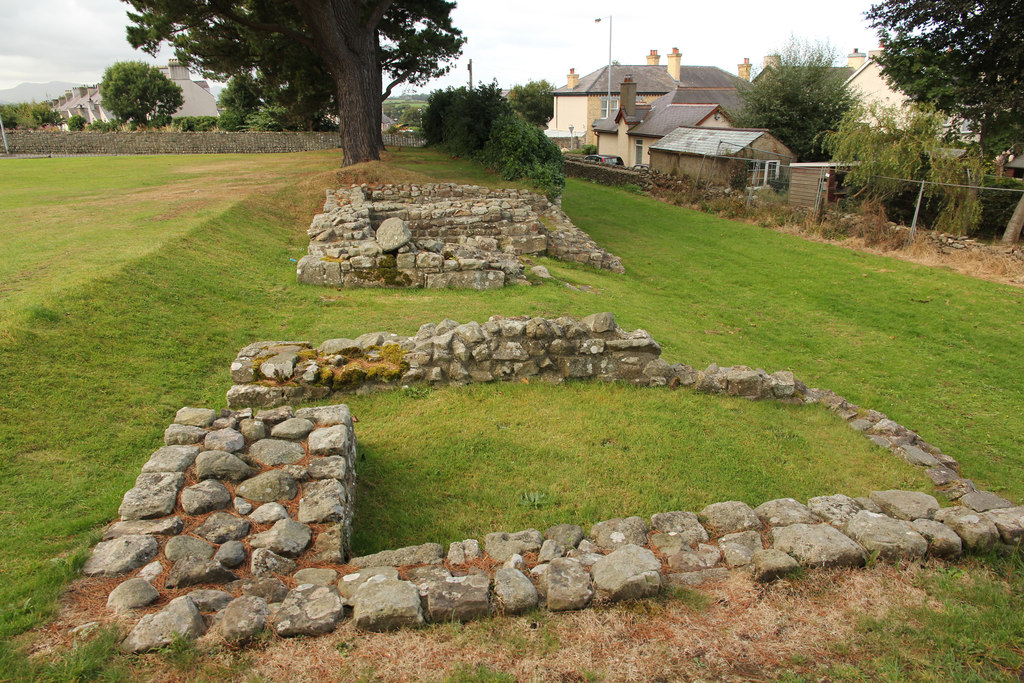
Photo: Richard Croft, geograph.org.uk, via Wikimedia Commons, licensed CC BY-SA 2.0, reproduced unmodified.
By the 380s the silver-washed billon of the mid-century had given way to a slimmed system of token bronzes — Æ1 to Æ4 by size, this Æ2 of c. 22–24 mm and 4–5 g at the top of ordinary circulation. The silver had gone from the coinage by now, W. V. Harris’s survey of the metal supply notes, and gold was getting dearer against everything else: Symmachus, prefect of Rome in 384, the year after Maximus’s proclamation, reports its price rising, and the official ratio to silver went from 1:12 under Diocletian to 1:14.4 by 397. Maximus’ bronzes are common as a class but usually appalling; well-struck examples with the name legible (as here, per the dealer’s note) are the exception. This coin is much the latest Roman piece in the collection — three and a half centuries after its earliest imperial silver, the Tribute Penny of Tiberius, and a world away in fabric, fineness and message. It is not, though, the biggest late bronze here: twenty years earlier Julian II had struck a double maiorina of nearly twice this weight at Sirmium, which sits on the same Shepherd map used on this page.
Attribution: RIC IX (Pearce), Arles 26a, as cited on the dealer’s slip (Ancient Imports #37117), with the earlier collector’s ticket adding Sear 4203 and the issue window 383–387 AD; cross-checked against current dealer listings of the type (e.g. vcoins, Numismall: D N MAG MAXIMVS P F AVG / REPARATIO REIPVB, PCON, Arles). Narrative history: Zosimus 4.35–46 (Book 4 is linked in the references — the fullest account of the revolt and the execution at Aquileia); Orosius 7.34–35; on Macsen Wledig, The Dream of Macsen in the Mabinogion. The British site-find count for 378–388: R. Henry, ‘A new corpus of Roman coins from England and Wales’, Britannia 55 (2024), read in full — in my Science library and linked in the references. Gold’s rising price in 384: W. V. Harris, ‘The supply of metals in the later Roman Empire’, JRA 39 (2026), read in full — in my Science library and linked in the references.
PCON = P(rima officina) CON(stantina): Arles bore the name Constantina in this period, and the mint signed accordingly. The REPARATIO REIPVB type was struck across the western mints for Gratian, Valentinian II, Theodosius and the usurper Maximus alike — the same 'restoration' promise from every contender. Usually found very worn; the earlier collector's ticket accompanying specimen 001 cross-references Sear 4203.
John's Ancient Coin Collection · Type · magnus-maximus-reparatio-ae2
Where the mints are — every mint in the collection on a modern map
Image credits for this coin — photographs, maps and graphics used on this page